Welcome to Our website!

 Esperanto
 Shqiptare
 Euskara
 Zulu
Zulu
 Latinus
 Cymraeg
 தமிழ்
தமிழ்
 Slovak
 Slovak
 Afrikaans
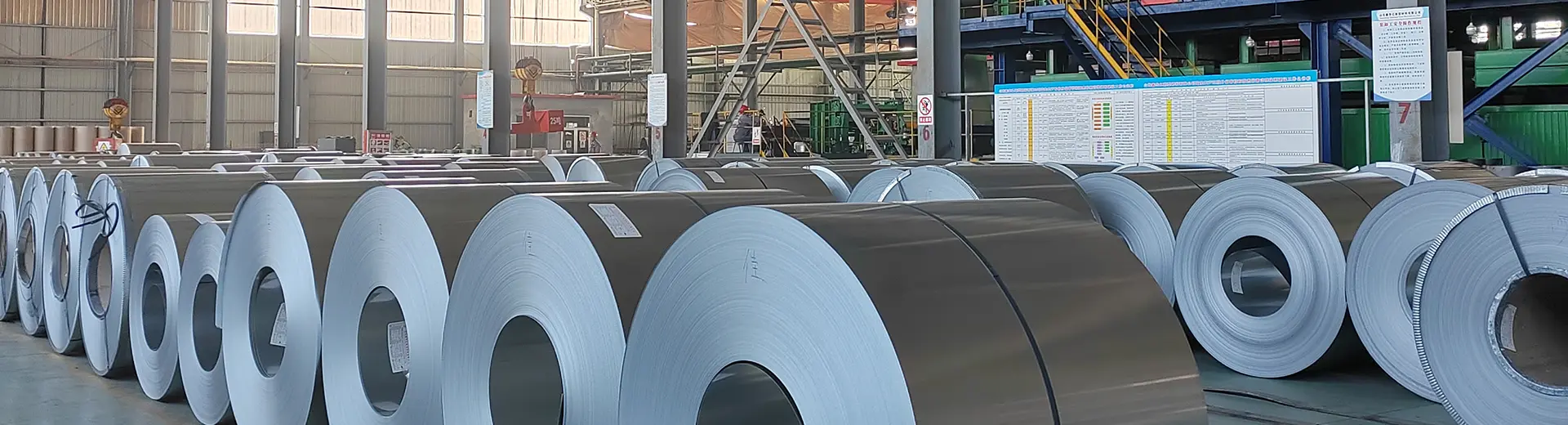
Maximizing Strength and Flexibility with ST12 Cold Rolled Steel Sheets: A Comprehensive Guide
Maximizing Strength and Flexibility with ST12 Cold Rolled Steel Sheets Table of Contents Introduction to ST12 Cold Rolled Steel Sheets What is ST12 Cold Rolled Steel? Benefits of Using ST12 Steel Sheets Applications of ST12 Cold Rolled Steel Sheets Mechanical Properties of ST12 Steel Sheets Manufacturing Process of ST12 Cold Rolled Steel Maintenance and Care for ST12 S
Maximizing Strength and Flexibility with ST12 Cold Rolled Steel Sheets
Table of Contents
- Introduction to ST12 Cold Rolled Steel Sheets
- What is ST12 Cold Rolled Steel?
- Benefits of Using ST12 Steel Sheets
- Applications of ST12 Cold Rolled Steel Sheets
- Mechanical Properties of ST12 Steel Sheets
- Manufacturing Process of ST12 Cold Rolled Steel
- Maintenance and Care for ST12 Steel Sheets
- Comparison with Other Steel Grades
- Frequently Asked Questions
- Conclusion
Introduction to ST12 Cold Rolled Steel Sheets
In the realm of construction and decorative materials, the choice of steel can significantly influence the overall performance and durability of a structure. **ST12 cold rolled steel sheets** have emerged as a preferred choice in various industries, known for their remarkable strength and flexibility. This article dives into the specifics of ST12 steel sheets, highlighting their benefits, applications, and mechanical properties, making it a valuable resource for anyone involved in construction or metalworking.
What is ST12 Cold Rolled Steel?
**ST12 cold rolled steel** is a type of low-carbon steel that undergoes a cold rolling process, resulting in improved mechanical properties and surface finish. The designation "ST" refers to **steel for construction**, while "12" indicates the steel's minimum yield strength of 1200 MPa. This steel grade is widely recognized for its excellent formability, making it ideal for various applications in both structural and decorative contexts.
Characteristics of ST12 Cold Rolled Steel
ST12 steel sheets are characterized by the following properties:
- **High Strength**: The cold rolling process enhances the tensile strength of the steel, allowing it to withstand considerable stress.
- **Good Ductility**: ST12 sheets can be easily shaped and formed without losing structural integrity.
- **Surface Finish**: The cold rolling technique produces a smooth surface, essential for aesthetic applications.
- **Versatility**: These steel sheets can be used in a wide range of settings, from automotive parts to furniture manufacturing.
Benefits of Using ST12 Steel Sheets
Utilizing ST12 cold rolled steel sheets offers several advantages:
1. Enhanced Mechanical Properties
The cold rolling process enhances the mechanical properties of ST12 steel, providing better yield and tensile strength compared to hot-rolled steel. This makes it a reliable choice for load-bearing applications.
2. Improved Surface Finish
With a smooth and uniform surface, ST12 sheets require less finishing work and can be painted or coated efficiently, enhancing their aesthetic appeal.
3. Cost-Effectiveness
Due to its high strength-to-weight ratio, ST12 cold rolled steel sheets can help reduce material costs in construction projects, allowing for thinner sections without compromising structural integrity.
4. Excellent Formability
The ductility of ST12 steel makes it easy to work with, enabling manufacturers to create complex shapes and designs that would be difficult with other materials.
5. Resistance to Corrosion
When properly coated or treated, ST12 steel sheets can exhibit good resistance to corrosion, prolonging the lifespan of the final product.
Applications of ST12 Cold Rolled Steel Sheets
ST12 cold rolled steel sheets find application across a variety of industries, including:
1. Automotive Industry
In the automotive sector, ST12 steel sheets are used for manufacturing body panels, structural components, and various interior elements, thanks to their strength and formability.
2. Construction
These steel sheets are ideal for use in building facades, roofing, and structural framework due to their durability and aesthetic appeal.
3. Furniture Manufacturing
The smooth finish and ease of fabrication make ST12 steel sheets a popular choice for creating modern and stylish furniture pieces.
4. Appliance Manufacturing
ST12 cold rolled steel sheets are commonly used in the production of home appliances, including refrigerators, washing machines, and ovens, where strength and aesthetics are critical.
5. Metal Fabrication
Metal fabricators appreciate the versatility of ST12 sheets, utilizing them in various custom projects, from industrial equipment to artistic installations.
Mechanical Properties of ST12 Steel Sheets
Understanding the mechanical properties of ST12 cold rolled steel is crucial for engineers and designers. Key properties include:
1. Yield Strength
ST12 cold rolled steel typically boasts a yield strength of at least 1200 MPa, allowing it to safely support considerable loads without deformation.
2. Tensile Strength
The tensile strength of ST12 steel sheets generally exceeds 340 MPa, providing robustness in applications where resistance to pulling forces is essential.
3. Elongation
With an elongation percentage of around 30%, ST12 steel demonstrates good ductility, making it suitable for forming and bending processes.
4. Hardness
The hardness of ST12 steel ranges from 40 to 50 HRB, ensuring it retains its shape and structural integrity during fabrication.
Manufacturing Process of ST12 Cold Rolled Steel
The production of ST12 cold rolled steel involves several critical steps:
1. Steelmaking
The process begins with the production of molten steel, which is then cast into slabs or billets.
2. Hot Rolling
The slabs are heated and passed through rollers to reduce their thickness before being cooled down.
3. Cold Rolling
The hot-rolled sheets undergo further processing through cold rolling, which enhances their mechanical properties and surface finish.
4. Annealing
To relieve internal stresses created during the rolling process, the sheets are annealed in controlled conditions, ensuring optimal ductility.
5. Finishing
The final stage involves cutting, coating, or treating the sheets to enhance their surface properties and prepare them for shipment.
Maintenance and Care for ST12 Steel Sheets
To maximize the lifespan and performance of ST12 cold rolled steel sheets, proper maintenance is essential. Consider the following tips:
1. Regular Inspection
Conduct periodic inspections to detect signs of corrosion or damage early, allowing for timely intervention.
2. Cleaning
Keep the surface clean by removing dirt and debris using mild detergents and water. Avoid abrasive cleaners that can scratch the surface.
3. Protective Coatings
Applying protective coatings, such as paint or galvanization, can enhance the corrosion resistance of ST12 steel sheets.
4. Storage
Store steel sheets in a dry, sheltered environment to prevent rust formation. Use protective covers if necessary.
Comparison with Other Steel Grades
When choosing materials, it's essential to compare ST12 cold rolled steel with other grades:
1. ST12 vs. ST14
While both ST12 and ST14 are cold rolled steels, ST14 has a higher carbon content, resulting in increased strength but reduced ductility compared to ST12.
2. ST12 vs. Hot Rolled Steel
Hot rolled steel is generally less expensive and easier to work with initially, but ST12 cold rolled steel offers superior surface finish and mechanical properties, making it more suitable for precision applications.
3. ST12 vs. Stainless Steel
Stainless steel offers excellent corrosion resistance and aesthetic qualities, but it is typically more expensive than ST12. The choice depends on specific project requirements.
Frequently Asked Questions
1. What is the difference between cold rolled and hot rolled steel?
Cold rolled steel is processed at room temperature, resulting in smoother surfaces and better mechanical properties, while hot rolled steel is processed at high temperatures, offering more malleability but less precision.
2. Can ST12 steel sheets be welded?
Yes, ST12 cold rolled steel sheets can be welded, but proper techniques and precautions should be taken to avoid warping or weakening the material.
3. How do I prevent corrosion on ST12 steel sheets?
Applying protective coatings and ensuring proper storage conditions can significantly reduce the risk of corrosion on ST12 steel sheets.
4. What are common thicknesses available for ST12 steel sheets?
ST12 steel sheets are available in various thicknesses, typically ranging from 0.3 mm to 3.0 mm, depending on the supplier and application.
5. Is ST12 suitable for outdoor applications?
While ST12 steel sheets can be used outdoors, it is advisable to apply protective coatings to enhance their durability against environmental factors.
Conclusion
ST12 cold rolled steel sheets represent a remarkable achievement in material engineering, offering a unique combination of strength, flexibility, and aesthetic appeal. Their various applications across industries underscore their versatility and reliability. By understanding their properties, benefits, and proper maintenance, manufacturers and builders can maximize the potential of ST12 steel sheets in their projects, ensuring durability and performance for years to come.
MORE NEWS
Understanding A214 Carbon Steel Round Bar: Properties and Applications
A214 carbon steel round bars are essential materials in various industrial applications, particularly in the metallurgy and energy sectors. Known for their exceptional strength and durability, these bars are widely used in construction, manufacturing, and other engineering applications. Understanding the properties and benefits of A214 carbon steel round bars can help businesses make informed deci
2026-08-27
Maximizing Strength and Flexibility with ST12 Cold Rolled Steel Sheets: A Comprehensive Guide
Maximizing Strength and Flexibility with ST12 Cold Rolled Steel Sheets Table of Contents Introduction to ST12 Cold Rolled Steel Sheets What is ST12 Cold Rolled Steel? Benefits of Using ST12 Steel Sheets Applications of ST12 Cold Rolled Steel Sheets Mechanical Properties of ST12 Steel Sheets Manufacturing Process of ST12 Cold Rolled Steel Maintenance and Care for ST12 S
2026-08-20
Understanding NM400 Carbon Steel Plate: Characteristics and Applications
NM400 carbon steel plate is increasingly recognized for its exceptional properties, making it an ideal choice for various applications in the construction and decoration materials sector. Known for its high wear resistance and toughness, NM400 is often employed in situations where durability and strength are paramount. The "NM" in NM400 stands for "Normalized Mild Steel," while the "400" indicate
2026-08-13
Hastelloy C-276: Revolutionizing the Energy Sector with Superior Corrosion Resistance
Hastelloy C-276 and Its Impact on the Energy Sector Introduction to Hastelloy C-276 Hastelloy C-276 is a **nickel-based alloy** renowned for its exceptional resistance to **corrosion** and **oxidation**. Originally designed to withstand harsh environments, Hastelloy C-276 has gained immense popularity across various industries, particularly in the energy sector. It is engineered to perform in extr
2026-08-06
Understanding DC01 Carbon Steel Coil: Characteristics and Applications
The DC01 carbon steel coil is a popular choice in the metallurgy sector, specifically due to its excellent formability and weldability. This low-carbon steel is characterized by its good mechanical properties, which make it suitable for a wide range of applications without compromising strength. It is primarily produced through cold rolling processes, resulting in a smooth surface finish that is o
2026-07-30
SPHC Carbon Steel Coil: Cost-Effective Solutions for Construction Projects
SPHC Carbon Steel Coil: Cost-Effective Solutions for Construction Projects Table of Contents Introduction to SPHC Carbon Steel Coils What is SPHC Steel? Advantages of SPHC Carbon Steel Coils Cost-Effectiveness Durability and Strength Versatility in Applications Applications of SPHC Steel Coils in Construction Structural Use
2026-07-23
LEAVE A MESSAGE
If you are interested in our products, please leave a message.
OUR PRODUCTS
Keep up to date with our latest products


Wechat:
+86-18354346222
(Mr.Wang)
Wechat:
+86-18954325992
(Mr.Wang)
Wechat:
+86-13954316858
(Mr.Wang)
SAF Coolest v1.3.1.2 设置面板 REMSX-AONU-XSASE-SVQ
无数据提示
Sorry, the current section is being updated, stay tuned!
You can view other columns or return to the HOME