Welcome to Our website!

 Esperanto
 Shqiptare
 Euskara
 Zulu
Zulu
 Latinus
 Cymraeg
 தமிழ்
தமிழ்
 Slovak
 Slovak
 Afrikaans
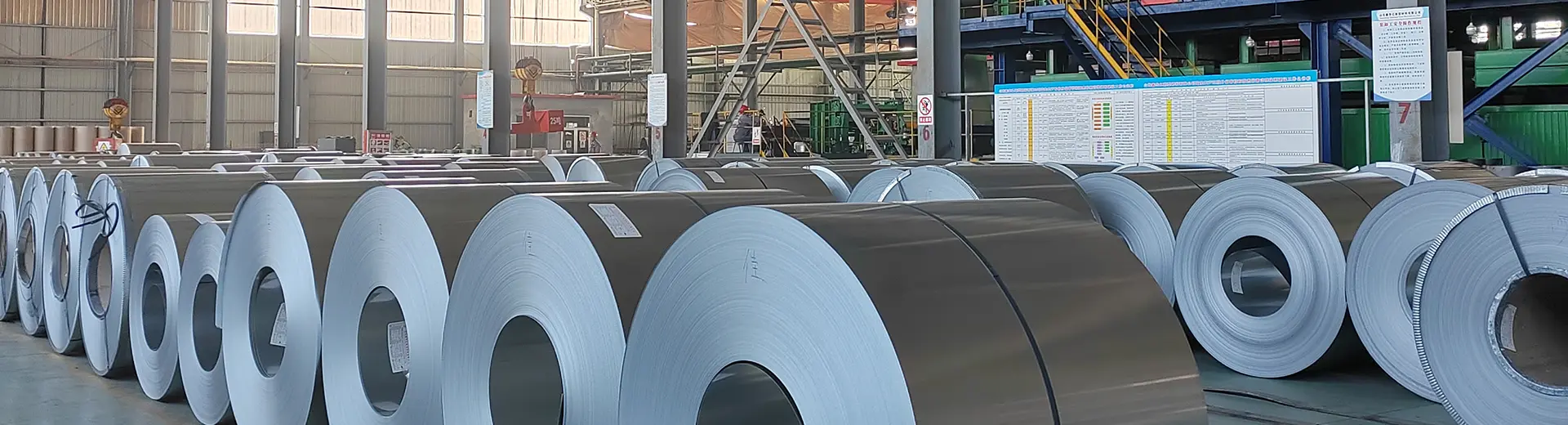
The Importance of ST12 Cold Rolled Steel Sheets in Structural Engineering
The Importance of ST12 Cold Rolled Steel Sheets in Structural Engineering Understanding ST12 Cold Rolled Steel Sheets ST12 cold rolled steel sheets are a versatile material widely used in structural engineering. Characterized by their excellent mechanical properties and smooth finish, these sheets are produced through a process that involves rolling at room temperature, which enhances their streng
The Importance of ST12 Cold Rolled Steel Sheets in Structural Engineering
Understanding ST12 Cold Rolled Steel Sheets
ST12 cold rolled steel sheets are a versatile material widely used in structural engineering. Characterized by their excellent mechanical properties and smooth finish, these sheets are produced through a process that involves rolling at room temperature, which enhances their strength and durability. The unique attributes of ST12 steel make it an essential component in various applications, ensuring that structures are not only functional but also aesthetically pleasing.
Key Properties of ST12 Cold Rolled Steel Sheets
When selecting materials for structural applications, certain properties must be considered. ST12 cold rolled steel sheets offer several advantages:
1. High Strength and Durability
ST12 steel sheets possess remarkable tensile strength, making them suitable for load-bearing applications. Their durability ensures long-term performance, even in challenging environments, thus reducing the need for frequent repairs or replacements.
2. Excellent Formability
The cold rolling process enhances the formability of ST12 steel, allowing it to be easily shaped into various forms without compromising its structural integrity. This feature is particularly beneficial in the construction of complex structures.
3. Smooth Surface Finish
The surface finish of ST12 cold rolled steel sheets is smooth and uniform, which is vital for applications requiring precise tolerances. A quality surface finish is not only aesthetically appealing but also contributes to improved adhesion in coatings and paints.
4. Cost-Effectiveness
ST12 steel sheets offer a cost-effective solution for engineers and architects. Their combination of performance and affordability makes them a preferred choice for large-scale projects where budget constraints are a consideration.
Applications of ST12 Cold Rolled Steel Sheets in Structural Engineering
The versatility of ST12 cold rolled steel sheets allows their use in a variety of structural applications:
1. Building Frameworks
ST12 steel sheets are commonly utilized in the framework of buildings. Their strength and formability enable the creation of robust structures that can withstand various environmental stresses.
2. Automotive Components
In the automotive industry, ST12 steel is often used for manufacturing parts such as chassis and body panels. The ability to shape the steel while maintaining strength makes it ideal for producing lightweight yet durable components.
3. Electrical Equipment
ST12 cold rolled sheets are prevalent in the production of electrical enclosures and components. Their smooth surface and resistance to corrosion ensure the longevity and reliability of electrical equipment.
4. Home Appliances
Many home appliances are constructed using ST12 steel sheets. From refrigerators to washing machines, the material’s strength and formability allow for the production of functional and durable products.
The Manufacturing Process of ST12 Cold Rolled Steel Sheets
Understanding the manufacturing process of ST12 cold rolled steel sheets is crucial for appreciating their unique properties:
1. Hot Rolling
The initial step involves hot rolling steel slabs, which are heated and passed through rollers to create a thinner, more manageable product. This process forms the basis for subsequent cold rolling.
2. Cold Rolling
During cold rolling, the hot-rolled steel is further processed at room temperature. This stage significantly increases the yield strength and hardness while providing a superior surface finish.
3. Annealing
To relieve stresses introduced during cold rolling, the sheets undergo annealing. This heat treatment enhances ductility and reduces hardness, making the sheets easier to work with.
4. Finishing
The final steps involve surface treatments, such as pickling or galvanizing, to enhance corrosion resistance and improve the overall appearance of the ST12 cold rolled steel sheets.
Quality Standards and Certifications
Adhering to quality standards is paramount in structural engineering. ST12 cold rolled steel sheets must meet specific criteria to ensure safety and reliability:
1. ISO Standards
ST12 steel sheets should comply with international ISO standards, which establish benchmarks for quality, safety, and efficiency in manufacturing processes.
2. ASTM Specifications
In many regions, ASTM specifications dictate the mechanical properties and chemical composition of cold rolled steel sheets. Meeting these specifications guarantees that the material can withstand the demands of structural applications.
3. CE Marking
In Europe, CE marking is essential for construction products. It indicates conformity with health, safety, and environmental protection standards, ensuring that ST12 steel sheets are suitable for use in construction.
Benefits of Using ST12 Cold Rolled Steel Sheets in Structural Design
The incorporation of ST12 cold rolled steel sheets in structural design offers various benefits:
1. Enhanced Aesthetics
The smooth finish of ST12 steel allows for a more polished look in architectural designs, contributing to the overall aesthetic appeal of buildings and structures.
2. Flexibility in Design
Engineers and architects appreciate the flexibility that ST12 steel sheets provide. The ability to fabricate complex shapes and sizes allows for innovative design solutions.
3. Sustainability
ST12 steel sheets can be recycled, making them an environmentally friendly choice for construction projects. This sustainability aspect aligns with modern practices focusing on eco-conscious building materials.
4. Reduced Construction Time
The ease of handling and installation of ST12 cold rolled steel sheets can significantly reduce construction time, leading to quicker project completions and reduced labor costs.
Challenges and Considerations in Using ST12 Cold Rolled Steel Sheets
While ST12 cold rolled steel sheets offer numerous advantages, several challenges must be considered:
1. Corrosion Resistance
ST12 steel is susceptible to corrosion if not properly protected. Engineers must implement appropriate coatings or treatments to enhance corrosion resistance, particularly in exposed environments.
2. Cost Variability
The price of ST12 steel can fluctuate based on market demand and raw material costs. This variability may impact project budgets, requiring careful planning and management.
3. Limitations in Thickness
ST12 cold rolled steel sheets are typically available in thinner gauges, which may limit their use in applications requiring thicker materials. Engineers must assess the specific needs of their projects to determine the suitability of ST12 steel.
Future Trends in the Use of ST12 Cold Rolled Steel Sheets
As the construction industry evolves, the use of ST12 cold rolled steel sheets is expected to adapt to new trends and technologies:
1. Advanced Coatings
The development of advanced coatings that enhance corrosion resistance and longevity will likely increase the lifespan and performance of ST12 steel sheets in various applications.
2. Smart Materials
The integration of smart technologies into construction materials may lead to the development of ST12 steel sheets with embedded sensors, allowing for real-time monitoring of structural integrity.
3. Sustainable Practices
As sustainability becomes increasingly important, we can expect a greater focus on recycling practices and the development of greener manufacturing processes for ST12 cold rolled steel sheets.
FAQs about ST12 Cold Rolled Steel Sheets
1. What is ST12 cold rolled steel used for?
ST12 cold rolled steel sheets are used in a variety of applications, including building frameworks, automotive components, electrical equipment, and home appliances due to their strength and formability.
2. How is ST12 cold rolled steel manufactured?
The manufacturing process involves hot rolling, cold rolling, annealing, and finishing to enhance the properties of the steel sheets.
3. Is ST12 steel corrosion-resistant?
ST12 steel is susceptible to corrosion; therefore, appropriate coatings or treatments are essential for enhancing its corrosion resistance, especially in outdoor applications.
4. What are the benefits of using ST12 cold rolled steel sheets?
The benefits include high strength and durability, excellent formability, a smooth surface finish, cost-effectiveness, and reduced construction time.
5. What standards should ST12 cold rolled steel sheets meet?
ST12 steel sheets should comply with ISO standards, ASTM specifications, and, in Europe, carry CE marking to ensure safety and quality.
Conclusion
ST12 cold rolled steel sheets are an indispensable material in the realm of structural engineering. Their unique properties, cost-effectiveness, and versatility make them a preferred choice for a range of applications. As the construction industry continues to evolve, ST12 steel will remain at the forefront, adapting to new technologies and sustainability practices. Understanding the importance and benefits of ST12 cold rolled steel sheets is crucial for engineers and architects striving to create innovative, durable, and aesthetically pleasing structures that stand the test of time.
MORE NEWS
Understanding A214 Carbon Steel Round Bar: Properties and Applications
A214 carbon steel round bars are essential materials in various industrial applications, particularly in the metallurgy and energy sectors. Known for their exceptional strength and durability, these bars are widely used in construction, manufacturing, and other engineering applications. Understanding the properties and benefits of A214 carbon steel round bars can help businesses make informed deci
2026-08-27
Maximizing Strength and Flexibility with ST12 Cold Rolled Steel Sheets: A Comprehensive Guide
Maximizing Strength and Flexibility with ST12 Cold Rolled Steel Sheets Table of Contents Introduction to ST12 Cold Rolled Steel Sheets What is ST12 Cold Rolled Steel? Benefits of Using ST12 Steel Sheets Applications of ST12 Cold Rolled Steel Sheets Mechanical Properties of ST12 Steel Sheets Manufacturing Process of ST12 Cold Rolled Steel Maintenance and Care for ST12 S
2026-08-20
Understanding NM400 Carbon Steel Plate: Characteristics and Applications
NM400 carbon steel plate is increasingly recognized for its exceptional properties, making it an ideal choice for various applications in the construction and decoration materials sector. Known for its high wear resistance and toughness, NM400 is often employed in situations where durability and strength are paramount. The "NM" in NM400 stands for "Normalized Mild Steel," while the "400" indicate
2026-08-13
Hastelloy C-276: Revolutionizing the Energy Sector with Superior Corrosion Resistance
Hastelloy C-276 and Its Impact on the Energy Sector Introduction to Hastelloy C-276 Hastelloy C-276 is a **nickel-based alloy** renowned for its exceptional resistance to **corrosion** and **oxidation**. Originally designed to withstand harsh environments, Hastelloy C-276 has gained immense popularity across various industries, particularly in the energy sector. It is engineered to perform in extr
2026-08-06
Understanding DC01 Carbon Steel Coil: Characteristics and Applications
The DC01 carbon steel coil is a popular choice in the metallurgy sector, specifically due to its excellent formability and weldability. This low-carbon steel is characterized by its good mechanical properties, which make it suitable for a wide range of applications without compromising strength. It is primarily produced through cold rolling processes, resulting in a smooth surface finish that is o
2026-07-30
SPHC Carbon Steel Coil: Cost-Effective Solutions for Construction Projects
SPHC Carbon Steel Coil: Cost-Effective Solutions for Construction Projects Table of Contents Introduction to SPHC Carbon Steel Coils What is SPHC Steel? Advantages of SPHC Carbon Steel Coils Cost-Effectiveness Durability and Strength Versatility in Applications Applications of SPHC Steel Coils in Construction Structural Use
2026-07-23
LEAVE A MESSAGE
If you are interested in our products, please leave a message.
OUR PRODUCTS
Keep up to date with our latest products


Wechat:
+86-18354346222
(Mr.Wang)
Wechat:
+86-18954325992
(Mr.Wang)
Wechat:
+86-13954316858
(Mr.Wang)
SAF Coolest v1.3.1.2 设置面板 REMSX-AONU-XSASE-SVQ
无数据提示
Sorry, the current section is being updated, stay tuned!
You can view other columns or return to the HOME