Welcome to Our website!

 Esperanto
 Shqiptare
 Euskara
 Zulu
Zulu
 Latinus
 Cymraeg
 தமிழ்
தமிழ்
 Slovak
 Slovak
 Afrikaans
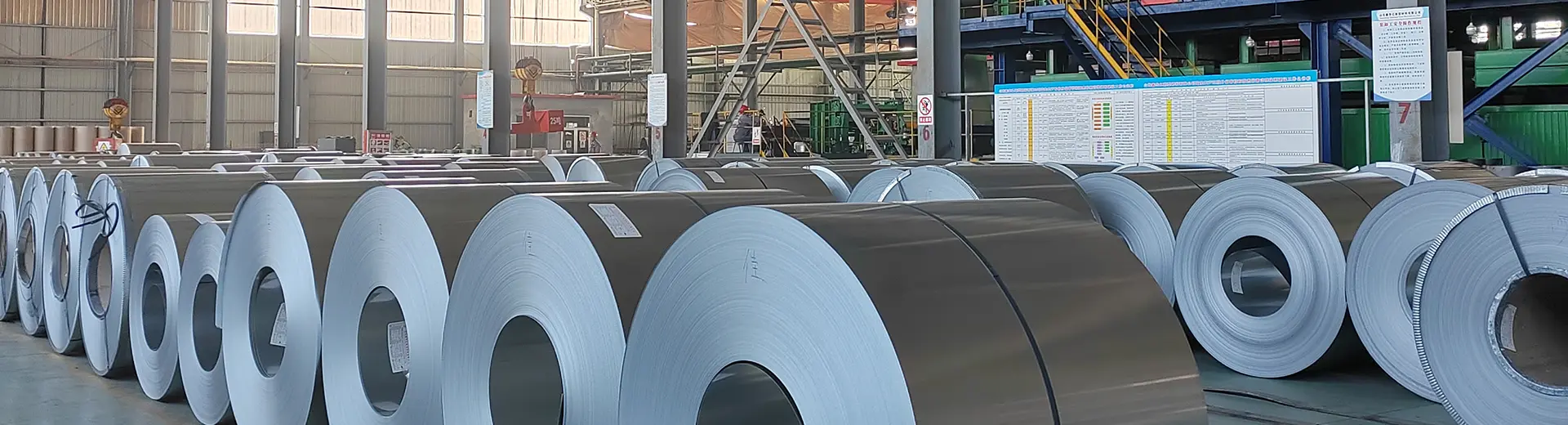
How Hastelloy C-276 Coils Stand the Test of Harsh Environments
How Hastelloy C-276 Coils Stand the Test of Harsh Environments Table of Contents 1. Introduction to Hastelloy C-276 Coils 2. Unique Properties of Hastelloy C-276 3. Applications in Harsh Environments 4. Corrosion Resistance: A Key Advantage 5. Exceptional Temperature Tolerance 6. Manufacturing Process of Hastelloy C-276 Coils 7. Recommendations for Choosing Hastelloy C
How Hastelloy C-276 Coils Stand the Test of Harsh Environments
Table of Contents
- 1. Introduction to Hastelloy C-276 Coils
- 2. Unique Properties of Hastelloy C-276
- 3. Applications in Harsh Environments
- 4. Corrosion Resistance: A Key Advantage
- 5. Exceptional Temperature Tolerance
- 6. Manufacturing Process of Hastelloy C-276 Coils
- 7. Recommendations for Choosing Hastelloy C-276 Coils
- 8. Conclusion
- 9. FAQs
1. Introduction to Hastelloy C-276 Coils
Hastelloy C-276 coils are renowned for their exceptional performance in extreme environments. As a highly versatile nickel-molybdenum-chromium alloy, Hastelloy C-276 offers superior resistance to pitting, stress corrosion cracking, and oxidizing atmospheres. This article provides an in-depth exploration of why Hastelloy C-276 is the material of choice for industries that require durability under harsh conditions.
2. Unique Properties of Hastelloy C-276
Hastelloy C-276 is characterized by several unique properties that make it suitable for various applications, particularly in industries such as chemical processing and oil and gas. Some of its key attributes include:
2.1 Corrosion Resistance
The alloy exhibits remarkable resistance to corrosion in both oxidizing and reducing environments. This makes it particularly useful in chemical processing where reactive substances are present.
2.2 High Strength
Hastelloy C-276 maintains high strength and toughness even in elevated temperatures, making it ideal for applications that experience significant thermal stress.
2.3 Fabricability
Despite its strength, Hastelloy C-276 is easy to fabricate and weld. This adaptability allows manufacturers to create complex shapes and components without compromising the integrity of the material.
3. Applications in Harsh Environments
Hastelloy C-276 coils find extensive use across various industries where environmental conditions are severe. Some notable applications include:
3.1 Chemical Processing
In chemical plants, Hastelloy C-276 coils are utilized in reactors, heat exchangers, and storage tanks due to their resistance to corrosive substances such as sulfuric and hydrochloric acids.
3.2 Oil and Gas Industry
The oil and gas sector often exposes materials to extreme pressures and corrosive environments. Hastelloy C-276 is used in components like downhole tubing and pipelines.
3.3 Marine Applications
Hastelloy C-276's corrosion resistance makes it suitable for marine environments where exposure to saltwater can lead to rapid degradation of standard materials.
4. Corrosion Resistance: A Key Advantage
The core of Hastelloy C-276's appeal lies in its outstanding corrosion resistance.
4.1 Mechanism of Corrosion Resistance
The alloy's composition, which includes molybdenum and chromium, enhances its ability to withstand localized corrosion and pitting.
4.2 Comparison with Other Alloys
When compared to other stainless steels and high nickel alloys, Hastelloy C-276 consistently outperforms them in various corrosive environments. This is a crucial factor for industries that cannot afford production downtimes due to material failures.
5. Exceptional Temperature Tolerance
Hastelloy C-276 remains stable and retains its mechanical properties at elevated temperatures.
5.1 Performance Under High Temperatures
The alloy can withstand temperatures up to 1,900°F (1,038°C) without experiencing degradation, making it suitable for heat exchangers and furnace applications.
5.2 Impact of Thermal Stability on Applications
This thermal stability not only enhances the safety of operations but also contributes to the longevity of equipment, reducing maintenance costs and downtime.
6. Manufacturing Process of Hastelloy C-276 Coils
The manufacturing of Hastelloy C-276 coils involves several intricate processes that ensure the final products meet stringent industry standards.
6.1 Cold Working and Hot Forming
Manufacturers employ cold working techniques to enhance the mechanical properties of the material. Hot forming is also used for larger components, allowing for easier shaping without cracking.
6.2 Quality Control Measures
Strict quality control is imperative throughout the manufacturing process. Tests for corrosion resistance, mechanical strength, and dimensional accuracy are conducted to ensure reliability.
7. Recommendations for Choosing Hastelloy C-276 Coils
Selecting the right alloy for specific applications requires careful consideration of several factors.
7.1 Assessing Environmental Conditions
Understanding the operating environment, including temperature, pressure, and chemical exposure, is essential for making informed decisions regarding Hastelloy C-276 coils.
7.2 Consulting with Experts
We recommend consulting with materials engineers or industry specialists to evaluate whether Hastelloy C-276 is the best fit for your specific needs.
8. Conclusion
In conclusion, Hastelloy C-276 coils represent a pinnacle of engineering excellence, offering unparalleled performance in the most demanding environments. Their unique properties, exceptional corrosion resistance, and impressive temperature tolerance make them indispensable in industries ranging from chemical processing to oil and gas. By understanding the advantages of Hastelloy C-276, companies can make informed decisions that enhance operational efficiency and sustainability.
9. FAQs
What industries commonly use Hastelloy C-276 coils?
Hastelloy C-276 coils are widely used in chemical processing, oil and gas, marine applications, and nuclear energy.
How does Hastelloy C-276 compare to other stainless steels?
Hastelloy C-276 outperforms many stainless steels in terms of corrosion resistance and high-temperature stability.
Can Hastelloy C-276 be welded?
Yes, Hastelloy C-276 is known for its excellent weldability, making it suitable for a variety of fabrication processes.
What is the maximum temperature for Hastelloy C-276?
Hastelloy C-276 can withstand temperatures up to 1,900°F (1,038°C) without losing its mechanical properties.
Is Hastelloy C-276 cost-effective?
While Hastelloy C-276 may have a higher initial cost than some materials, its longevity and corrosion resistance often result in reduced maintenance and replacement costs, making it a cost-effective choice in the long run.
MORE NEWS
Understanding A214 Carbon Steel Round Bar: Properties and Applications
A214 carbon steel round bars are essential materials in various industrial applications, particularly in the metallurgy and energy sectors. Known for their exceptional strength and durability, these bars are widely used in construction, manufacturing, and other engineering applications. Understanding the properties and benefits of A214 carbon steel round bars can help businesses make informed deci
2026-08-27
Maximizing Strength and Flexibility with ST12 Cold Rolled Steel Sheets: A Comprehensive Guide
Maximizing Strength and Flexibility with ST12 Cold Rolled Steel Sheets Table of Contents Introduction to ST12 Cold Rolled Steel Sheets What is ST12 Cold Rolled Steel? Benefits of Using ST12 Steel Sheets Applications of ST12 Cold Rolled Steel Sheets Mechanical Properties of ST12 Steel Sheets Manufacturing Process of ST12 Cold Rolled Steel Maintenance and Care for ST12 S
2026-08-20
Understanding NM400 Carbon Steel Plate: Characteristics and Applications
NM400 carbon steel plate is increasingly recognized for its exceptional properties, making it an ideal choice for various applications in the construction and decoration materials sector. Known for its high wear resistance and toughness, NM400 is often employed in situations where durability and strength are paramount. The "NM" in NM400 stands for "Normalized Mild Steel," while the "400" indicate
2026-08-13
Hastelloy C-276: Revolutionizing the Energy Sector with Superior Corrosion Resistance
Hastelloy C-276 and Its Impact on the Energy Sector Introduction to Hastelloy C-276 Hastelloy C-276 is a **nickel-based alloy** renowned for its exceptional resistance to **corrosion** and **oxidation**. Originally designed to withstand harsh environments, Hastelloy C-276 has gained immense popularity across various industries, particularly in the energy sector. It is engineered to perform in extr
2026-08-06
Understanding DC01 Carbon Steel Coil: Characteristics and Applications
The DC01 carbon steel coil is a popular choice in the metallurgy sector, specifically due to its excellent formability and weldability. This low-carbon steel is characterized by its good mechanical properties, which make it suitable for a wide range of applications without compromising strength. It is primarily produced through cold rolling processes, resulting in a smooth surface finish that is o
2026-07-30
SPHC Carbon Steel Coil: Cost-Effective Solutions for Construction Projects
SPHC Carbon Steel Coil: Cost-Effective Solutions for Construction Projects Table of Contents Introduction to SPHC Carbon Steel Coils What is SPHC Steel? Advantages of SPHC Carbon Steel Coils Cost-Effectiveness Durability and Strength Versatility in Applications Applications of SPHC Steel Coils in Construction Structural Use
2026-07-23
LEAVE A MESSAGE
If you are interested in our products, please leave a message.
OUR PRODUCTS
Keep up to date with our latest products


Wechat:
+86-18354346222
(Mr.Wang)
Wechat:
+86-18954325992
(Mr.Wang)
Wechat:
+86-13954316858
(Mr.Wang)
SAF Coolest v1.3.1.2 设置面板 REMSX-AONU-XSASE-SVQ
无数据提示
Sorry, the current section is being updated, stay tuned!
You can view other columns or return to the HOME