Welcome to Our website!

 Esperanto
 Shqiptare
 Euskara
 Zulu
Zulu
 Latinus
 Cymraeg
 தமிழ்
தமிழ்
 Slovak
 Slovak
 Afrikaans
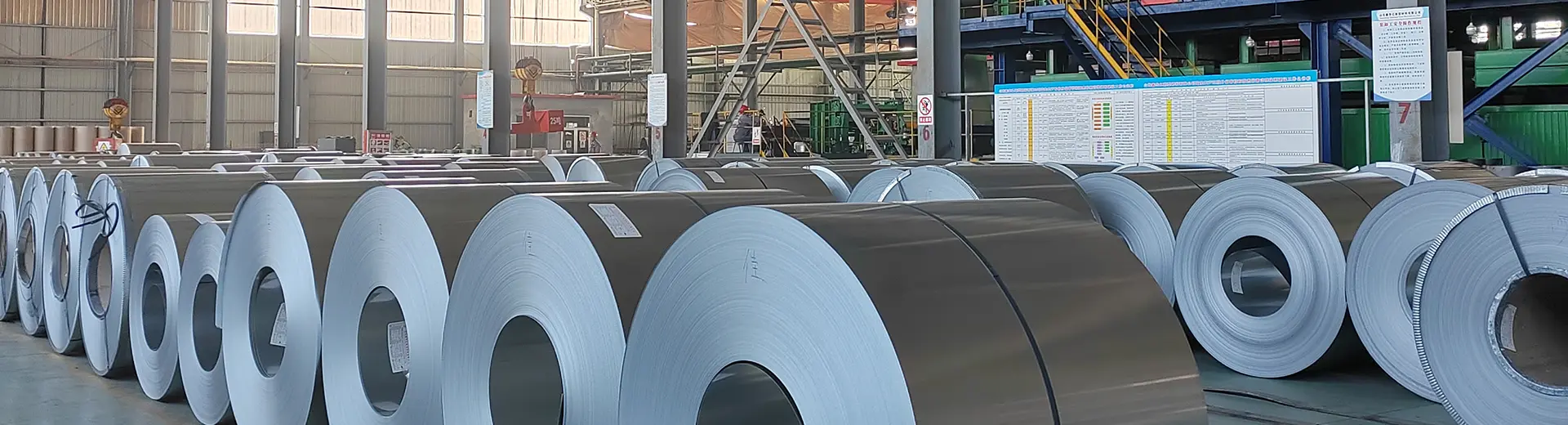
Comparing SPHC Carbon Steel Coils with Other Steel Types in Construction
Comparing SPHC Carbon Steel Coils with Other Steel Types in Construction Table of Contents What is SPHC Carbon Steel? Properties of SPHC Carbon Steel Coils Applications of SPHC Carbon Steel in Construction Comparative Analysis of Steel Types Used in Construction Advantages of SPHC Carbon Steel Coils Disadvantages of SPHC Carbon Steel Coils SPHC Carbon Steel Coils vs. Other Steel Types Frequently
Comparing SPHC Carbon Steel Coils with Other Steel Types in Construction
Table of Contents
- What is SPHC Carbon Steel?
- Properties of SPHC Carbon Steel Coils
- Applications of SPHC Carbon Steel in Construction
- Comparative Analysis of Steel Types Used in Construction
- Advantages of SPHC Carbon Steel Coils
- Disadvantages of SPHC Carbon Steel Coils
- SPHC Carbon Steel Coils vs. Other Steel Types
- Frequently Asked Questions
- Conclusion
What is SPHC Carbon Steel?
SPHC stands for "Steel Plate Hot Coil" and is a type of carbon steel commonly used in the construction industry. It is categorized under the Japanese Industrial Standards (JIS) and is particularly known for its versatility and usability in various applications. SPHC carbon steel coils are manufactured through a hot-rolling process that ensures they maintain certain mechanical properties, making them suitable for different construction projects.
Properties of SPHC Carbon Steel Coils
SPHC carbon steel coils possess various properties that are crucial for construction.
Strength and Durability
These coils offer excellent tensile strength and durability, making them ideal for structural applications that require resilience.
Corrosion Resistance
While SPHC steel does not possess inherent corrosion resistance, it can be treated with coatings to enhance its longevity in various environments.
Workability
One of the defining characteristics of SPHC carbon steel is its malleability, which allows for easy processing and fabrication into various shapes and sizes.
Cost-effectiveness
SPHC carbon steel coils are relatively affordable compared to other types of steel, making them a budget-friendly option for construction projects.
Applications of SPHC Carbon Steel in Construction
SPHC carbon steel coils serve numerous purposes in the construction industry.
Structural Components
They are often used in beams, columns, and frames, providing essential structural integrity to buildings.
Manufacturing of Steel Products
These coils are frequently utilized in the production of various steel products, including pipes, plates, and sheets.
Automotive Industry
The automotive sector also benefits from SPHC carbon steel, especially for manufacturing body panels and other components.
Comparative Analysis of Steel Types Used in Construction
When considering construction materials, it is crucial to compare SPHC carbon steel coils with other popular steel types, such as ASTM A36, stainless steel, and high-strength low-alloy (HSLA) steel.
ASTM A36 Steel
ASTM A36 is a carbon structural steel specification that is widely used in construction. Compared to SPHC, ASTM A36 offers similar strength but may have better weldability.
Stainless Steel
Stainless steel is recognized for its corrosion resistance and aesthetic appeal. While it is more expensive than SPHC, its longevity can justify the investment in certain applications.
High-Strength Low-Alloy (HSLA) Steel
HSLA steel is known for its enhanced mechanical properties and lower weight compared to traditional carbon steels. However, it comes at a higher cost, making SPHC a more budget-friendly option for many projects.
Advantages of SPHC Carbon Steel Coils
SPHC carbon steel coils have several distinct advantages that make them a popular choice in construction.
Versatility
Their adaptable nature allows for use in various applications, from structural components to automotive manufacturing.
Cost-effectiveness
With a relatively lower price point, SPHC carbon steel is suitable for projects with budget constraints.
Ease of Fabrication
The malleability of SPHC allows for straightforward cutting, welding, and forming processes, facilitating efficient manufacturing.
Disadvantages of SPHC Carbon Steel Coils
Despite its advantages, SPHC carbon steel coils also come with certain drawbacks.
Corrosion Vulnerability
Without appropriate protective coatings, SPHC steel can be susceptible to rust and corrosion, which can limit its lifespan in harsh environments.
Weight Considerations
SPHC is heavier than some alternatives, such as aluminum or high-strength low-alloy steel, which can impact transportation and handling costs.
SPHC Carbon Steel Coils vs. Other Steel Types
In this section, we will provide a comprehensive comparison of SPHC carbon steel coils with other steel types commonly used in construction.
SPHC vs. Stainless Steel
While stainless steel offers enhanced corrosion resistance, SPHC carbon steel provides a more economical choice for structural applications, especially in non-corrosive environments.
SPHC vs. ASTM A992 Steel
ASTM A992 is often used in steel buildings and bridges due to its excellent welding characteristics and high strength-to-weight ratio. In contrast, SPHC is more cost-effective but might not provide the same level of performance in demanding structural applications.
SPHC vs. Mild Steel
Mild steel shares similar properties with SPHC carbon steel. However, SPHC has distinct advantages for specific applications, particularly in its processing and availability.
Frequently Asked Questions
What are the main uses of SPHC carbon steel coils?
SPHC carbon steel coils are commonly used in structural components, automotive manufacturing, and the production of various steel products.
How does SPHC compare to other carbon steels?
SPHC is known for its good strength, workability, and cost-effectiveness, making it a popular choice among various carbon steels.
Is SPHC carbon steel corrosion-resistant?
SPHC carbon steel is not inherently corrosion-resistant but can be treated with coatings to improve its resistance to rust and environmental damage.
What is the typical thickness of SPHC carbon steel coils?
The thickness of SPHC carbon steel coils can range from 1.2 mm to 20 mm, depending on the intended application.
Can SPHC carbon steel be welded?
Yes, SPHC carbon steel can be welded effectively, making it suitable for various fabrication processes.
Conclusion
In conclusion, SPHC carbon steel coils are a valuable material in the construction industry, offering a balance of strength, cost-effectiveness, and versatility. While other steel types may provide specific advantages in particular applications, SPHC remains a reliable choice for many construction projects. By understanding the unique properties and applications of SPHC carbon steel, industry professionals can make informed decisions that will enhance the quality and durability of their structures.
When selecting materials for construction, we recommend weighing the advantages and disadvantages while considering specific project requirements. SPHC carbon steel coils stand out as a robust option, capable of meeting the diverse needs of the construction sector.
MORE NEWS
Understanding A214 Carbon Steel Round Bar: Properties and Applications
A214 carbon steel round bars are essential materials in various industrial applications, particularly in the metallurgy and energy sectors. Known for their exceptional strength and durability, these bars are widely used in construction, manufacturing, and other engineering applications. Understanding the properties and benefits of A214 carbon steel round bars can help businesses make informed deci
2026-08-27
Maximizing Strength and Flexibility with ST12 Cold Rolled Steel Sheets: A Comprehensive Guide
Maximizing Strength and Flexibility with ST12 Cold Rolled Steel Sheets Table of Contents Introduction to ST12 Cold Rolled Steel Sheets What is ST12 Cold Rolled Steel? Benefits of Using ST12 Steel Sheets Applications of ST12 Cold Rolled Steel Sheets Mechanical Properties of ST12 Steel Sheets Manufacturing Process of ST12 Cold Rolled Steel Maintenance and Care for ST12 S
2026-08-20
Understanding NM400 Carbon Steel Plate: Characteristics and Applications
NM400 carbon steel plate is increasingly recognized for its exceptional properties, making it an ideal choice for various applications in the construction and decoration materials sector. Known for its high wear resistance and toughness, NM400 is often employed in situations where durability and strength are paramount. The "NM" in NM400 stands for "Normalized Mild Steel," while the "400" indicate
2026-08-13
Hastelloy C-276: Revolutionizing the Energy Sector with Superior Corrosion Resistance
Hastelloy C-276 and Its Impact on the Energy Sector Introduction to Hastelloy C-276 Hastelloy C-276 is a **nickel-based alloy** renowned for its exceptional resistance to **corrosion** and **oxidation**. Originally designed to withstand harsh environments, Hastelloy C-276 has gained immense popularity across various industries, particularly in the energy sector. It is engineered to perform in extr
2026-08-06
Understanding DC01 Carbon Steel Coil: Characteristics and Applications
The DC01 carbon steel coil is a popular choice in the metallurgy sector, specifically due to its excellent formability and weldability. This low-carbon steel is characterized by its good mechanical properties, which make it suitable for a wide range of applications without compromising strength. It is primarily produced through cold rolling processes, resulting in a smooth surface finish that is o
2026-07-30
SPHC Carbon Steel Coil: Cost-Effective Solutions for Construction Projects
SPHC Carbon Steel Coil: Cost-Effective Solutions for Construction Projects Table of Contents Introduction to SPHC Carbon Steel Coils What is SPHC Steel? Advantages of SPHC Carbon Steel Coils Cost-Effectiveness Durability and Strength Versatility in Applications Applications of SPHC Steel Coils in Construction Structural Use
2026-07-23
LEAVE A MESSAGE
If you are interested in our products, please leave a message.
OUR PRODUCTS
Keep up to date with our latest products


Wechat:
+86-18354346222
(Mr.Wang)
Wechat:
+86-18954325992
(Mr.Wang)
Wechat:
+86-13954316858
(Mr.Wang)
SAF Coolest v1.3.1.2 设置面板 REMSX-AONU-XSASE-SVQ
无数据提示
Sorry, the current section is being updated, stay tuned!
You can view other columns or return to the HOME