Welcome to Our website!

 Esperanto
 Shqiptare
 Euskara
 Zulu
Zulu
 Latinus
 Cymraeg
 தமிழ்
தமிழ்
 Slovak
 Slovak
 Afrikaans
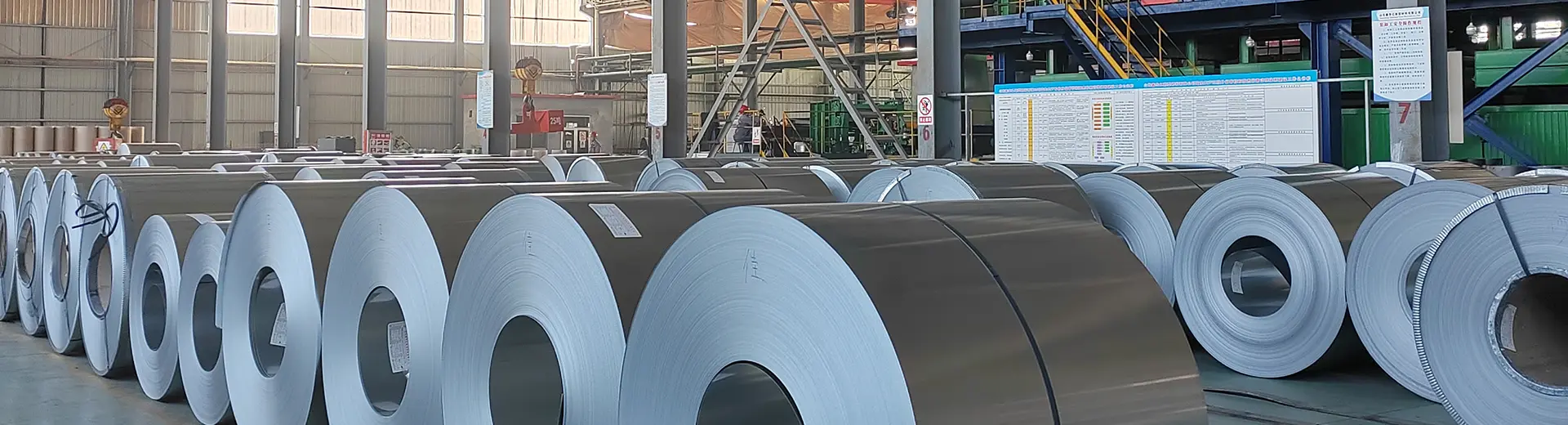
The Comprehensive Manufacturing Process of Hastelloy C-276 Stainless Steel Coils
The Comprehensive Manufacturing Process of Hastelloy C-276 Stainless Steel Coils Table of Contents 1. Introduction to Hastelloy C-276 2. The Importance of Manufacturing Processes 3. Overview of the Manufacturing Process 3.1 Raw Material Selection 3.2 Melting and Alloying 3.3 Hot Rolling
The Comprehensive Manufacturing Process of Hastelloy C-276 Stainless Steel Coils
Table of Contents
1. Introduction to Hastelloy C-276
2. The Importance of Manufacturing Processes
3. Overview of the Manufacturing Process
3.1 Raw Material Selection
3.2 Melting and Alloying
3.3 Hot Rolling
3.4 Cold Rolling
4. Quality Control Measures
5. Applications of Hastelloy C-276 Stainless Steel Coils
6. Advantages of Using Hastelloy C-276
7. Challenges in the Manufacturing Process
8. FAQs about Hastelloy C-276 Stainless Steel Coils
9. Conclusion
1. Introduction to Hastelloy C-276
Hastelloy C-276 is a highly versatile superalloy known for its exceptional resistance to corrosion and oxidation, especially in extreme environments. Composed primarily of nickel, molybdenum, and chromium, this alloy is engineered to withstand the harshest conditions, making it a favorite in various industrial applications, including chemical processing, pollution control, and oil and gas extraction. Understanding the manufacturing process of Hastelloy C-276 stainless steel coils is essential for appreciating its unique properties and performance.
2. The Importance of Manufacturing Processes
The manufacturing process plays a critical role in determining the quality, performance, and characteristics of Hastelloy C-276 stainless steel coils. Precision in each step—from raw material selection to final quality assurance—ensures that the coils meet strict industry standards and client specifications. This section explores how meticulous attention to detail during production contributes to the integrity of the final product.
3. Overview of the Manufacturing Process
The manufacturing process of Hastelloy C-276 stainless steel coils comprises several key stages, each vital for achieving the desired properties. The major stages include:
3.1 Raw Material Selection
The journey begins with the careful selection of raw materials. Quality nickel, molybdenum, chromium, and trace elements such as iron and tungsten are sourced from reputable suppliers. The integrity of these materials is paramount, as impurities can significantly affect the performance of the final alloy. Suppliers are evaluated based on their certifications and the consistency of their material quality.
3.2 Melting and Alloying
Once the raw materials are sourced, they undergo melting in a vacuum induction furnace (VIF) or an electric arc furnace (EAF). This process allows for precise temperature control and reduces the risk of contamination. The melting stage is where the alloying elements are combined to achieve the desired chemical composition. After melting, the molten metal is cast into ingots, which are then cooled at controlled rates to promote uniform microstructure.
3.3 Hot Rolling
The next step is hot rolling, where the cast ingots are heated to a temperature range of 2100°F (1150°C) to 2400°F (1315°C) before being passed through rollers. This process reduces the thickness of the ingots and shapes them into slabs or coils. Hot rolling enhances the mechanical properties of the alloy while promoting the desired grain structure.
3.4 Cold Rolling
Following hot rolling, the material undergoes cold rolling to achieve the final thickness and surface finish. Cold rolling is performed at room temperature, enhancing the strength and hardness of the coils. The process involves passing the material through a series of rollers, which compress and elongate the metal. Cold rolling allows for tighter dimensional tolerances and improved surface quality, essential for many applications.
4. Quality Control Measures
Quality control is integral to the manufacturing process of Hastelloy C-276 stainless steel coils. Various testing and inspection techniques are employed to ensure the coils meet industry standards and customer requirements. These measures include:
- **Chemical Composition Analysis**: Regular sampling and testing of the alloy’s composition to ensure it aligns with specifications.
- **Mechanical Property Testing**: Evaluation of tensile strength, yield strength, and elongation to confirm the performance standards are met.
- **Non-Destructive Testing (NDT)**: Techniques such as ultrasonic testing and eddy current testing are used to detect any internal or surface defects without damaging the coils.
- **Dimensional Inspection**: Continuous monitoring of thickness, width, and other dimensions throughout the production process ensures compliance with specifications.
5. Applications of Hastelloy C-276 Stainless Steel Coils
Hastelloy C-276 stainless steel coils are widely utilized across various industries due to their excellent corrosion resistance and high-temperature stability. Common applications include:
- **Chemical Processing**: Used in reactors, heat exchangers, and piping systems due to their resistance to pitting and crevice corrosion.
- **Oil and Gas Industry**: Ideal for downhole applications, pipelines, and offshore drilling equipment where exposure to harsh environments is inevitable.
- **Aerospace**: Employed in components requiring high strength and resistance to extreme temperatures and corrosive environments.
- **Pollution Control**: Utilized in scrubbers and other equipment designed to reduce emissions and pollutants.
6. Advantages of Using Hastelloy C-276
Using Hastelloy C-276 stainless steel coils offers several advantages, including:
- **Corrosion Resistance**: Exceptional resistance to a wide range of corrosive media, including sulfuric acid, hydrochloric acid, and chlorine.
- **High-Temperature Performance**: Maintains its mechanical properties even at elevated temperatures, making it suitable for high-temperature applications.
- **Versatility**: Can be fabricated into various shapes and sizes, providing flexibility for manufacturers and end-users.
- **Longevity**: The durability of Hastelloy C-276 reduces downtime and maintenance costs, leading to long-term savings in operational expenses.
7. Challenges in the Manufacturing Process
Despite its advantages, the manufacturing process of Hastelloy C-276 coils is not without challenges. Some of the key challenges include:
- **Cost of Raw Materials**: Sourcing high-quality nickel, molybdenum, and other alloying elements can be expensive, affecting overall production costs.
- **Complexity of Production**: The intricate steps involved in the manufacturing process require skilled labor and advanced machinery, both of which can be costly.
- **Handling and Fabrication**: Hastelloy C-276 can be challenging to machine and weld due to its hardness and work-hardening characteristics, necessitating specialized tools and techniques.
8. FAQs about Hastelloy C-276 Stainless Steel Coils
**Q1: What industries commonly use Hastelloy C-276?**
A1: Hastelloy C-276 is widely used in chemical processing, oil and gas, aerospace, and pollution control industries.
**Q2: What are the main advantages of Hastelloy C-276 over other alloys?**
A2: Its superior corrosion resistance, high-temperature performance, and versatility make it stand out among other alloys.
**Q3: Can Hastelloy C-276 be welded?**
A3: Yes, it can be welded, but specialized techniques and filler materials are often required due to its hardness.
**Q4: How is the quality of Hastelloy C-276 coils ensured during production?**
A4: Quality control measures, including chemical analysis, mechanical testing, and non-destructive testing, are implemented throughout the manufacturing process.
**Q5: What is the typical thickness range for Hastelloy C-276 coils?**
A5: The thickness of Hastelloy C-276 coils can vary significantly, typically ranging from 0.1 mm to several millimeters, depending on the application.
9. Conclusion
The manufacturing process of Hastelloy C-276 stainless steel coils is a complex and meticulous journey that transforms raw materials into a highly versatile and durable alloy. With its exceptional properties and wide-ranging applications, Hastelloy C-276 continues to play a vital role in industries that require reliability and performance under extreme conditions. Understanding this manufacturing process not only highlights the technical expertise involved but also emphasizes the significance of quality control in producing materials that meet stringent industry standards. By choosing Hastelloy C-276, manufacturers and engineers can ensure the longevity and reliability of their products, making it a top choice for critical applications worldwide.
MORE NEWS
Understanding A214 Carbon Steel Round Bar: Properties and Applications
A214 carbon steel round bars are essential materials in various industrial applications, particularly in the metallurgy and energy sectors. Known for their exceptional strength and durability, these bars are widely used in construction, manufacturing, and other engineering applications. Understanding the properties and benefits of A214 carbon steel round bars can help businesses make informed deci
2026-08-27
Maximizing Strength and Flexibility with ST12 Cold Rolled Steel Sheets: A Comprehensive Guide
Maximizing Strength and Flexibility with ST12 Cold Rolled Steel Sheets Table of Contents Introduction to ST12 Cold Rolled Steel Sheets What is ST12 Cold Rolled Steel? Benefits of Using ST12 Steel Sheets Applications of ST12 Cold Rolled Steel Sheets Mechanical Properties of ST12 Steel Sheets Manufacturing Process of ST12 Cold Rolled Steel Maintenance and Care for ST12 S
2026-08-20
Understanding NM400 Carbon Steel Plate: Characteristics and Applications
NM400 carbon steel plate is increasingly recognized for its exceptional properties, making it an ideal choice for various applications in the construction and decoration materials sector. Known for its high wear resistance and toughness, NM400 is often employed in situations where durability and strength are paramount. The "NM" in NM400 stands for "Normalized Mild Steel," while the "400" indicate
2026-08-13
Hastelloy C-276: Revolutionizing the Energy Sector with Superior Corrosion Resistance
Hastelloy C-276 and Its Impact on the Energy Sector Introduction to Hastelloy C-276 Hastelloy C-276 is a **nickel-based alloy** renowned for its exceptional resistance to **corrosion** and **oxidation**. Originally designed to withstand harsh environments, Hastelloy C-276 has gained immense popularity across various industries, particularly in the energy sector. It is engineered to perform in extr
2026-08-06
Understanding DC01 Carbon Steel Coil: Characteristics and Applications
The DC01 carbon steel coil is a popular choice in the metallurgy sector, specifically due to its excellent formability and weldability. This low-carbon steel is characterized by its good mechanical properties, which make it suitable for a wide range of applications without compromising strength. It is primarily produced through cold rolling processes, resulting in a smooth surface finish that is o
2026-07-30
SPHC Carbon Steel Coil: Cost-Effective Solutions for Construction Projects
SPHC Carbon Steel Coil: Cost-Effective Solutions for Construction Projects Table of Contents Introduction to SPHC Carbon Steel Coils What is SPHC Steel? Advantages of SPHC Carbon Steel Coils Cost-Effectiveness Durability and Strength Versatility in Applications Applications of SPHC Steel Coils in Construction Structural Use
2026-07-23
LEAVE A MESSAGE
If you are interested in our products, please leave a message.
OUR PRODUCTS
Keep up to date with our latest products


Wechat:
+86-18354346222
(Mr.Wang)
Wechat:
+86-18954325992
(Mr.Wang)
Wechat:
+86-13954316858
(Mr.Wang)
SAF Coolest v1.3.1.2 设置面板 REMSX-AONU-XSASE-SVQ
无数据提示
Sorry, the current section is being updated, stay tuned!
You can view other columns or return to the HOME