Welcome to Our website!

 Esperanto
 Shqiptare
 Euskara
 Zulu
Zulu
 Latinus
 Cymraeg
 தமிழ்
தமிழ்
 Slovak
 Slovak
 Afrikaans
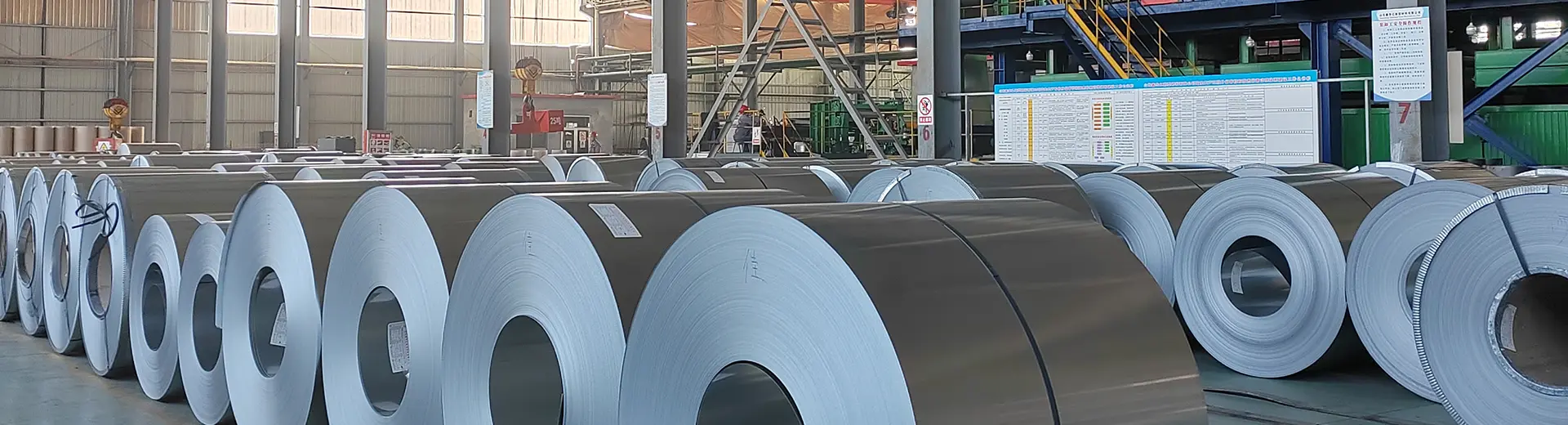
The Future of Construction: Unveiling the Power of ST12 Cold Rolled Steel Sheets
The Future of Construction: Unveiling the Power of ST12 Cold Rolled Steel Sheets Table of Contents 1. Introduction to ST12 Cold Rolled Steel Sheets 2. Understanding Cold Rolling Process 2.1 What is Cold Rolling? 2.2 Benefits of Cold Rolling 3. Properties of ST12 Cold Rolled Steel Sheets 3.1 Mechanical Properties 3.2 Chemical Composition 4. Applications of ST12 Cold Rolled Steel in Construction 4.1
The Future of Construction: Unveiling the Power of ST12 Cold Rolled Steel Sheets
Table of Contents
1. Introduction to ST12 Cold Rolled Steel Sheets
2. Understanding Cold Rolling Process
2.1 What is Cold Rolling?
2.2 Benefits of Cold Rolling
3. Properties of ST12 Cold Rolled Steel Sheets
3.1 Mechanical Properties
3.2 Chemical Composition
4. Applications of ST12 Cold Rolled Steel in Construction
4.1 Structural Components
4.2 Decorative Elements
5. Advantages of Using ST12 Cold Rolled Steel Sheets
5.1 Strength and Durability
5.2 Cost-Effectiveness
6. Future Trends in the Use of ST12 Cold Rolled Steel
6.1 Innovations in Steel Production
6.2 Sustainability Efforts
7. Frequently Asked Questions (FAQs)
8. Conclusion
1. Introduction to ST12 Cold Rolled Steel Sheets
In the evolving landscape of the construction industry, materials play a pivotal role in determining the quality and longevity of structures. Among these materials, **ST12 cold rolled steel sheets** have emerged as a game-changer. Renowned for their exceptional strength-to-weight ratio and versatility, these steel sheets are becoming increasingly popular in various construction applications.
This article delves into the unique properties, benefits, and future prospects of ST12 cold rolled steel sheets, offering valuable insights for industry professionals, architects, and construction enthusiasts.
2. Understanding Cold Rolling Process
To appreciate the benefits of ST12 cold rolled steel sheets, one must first understand the cold rolling process.
2.1 What is Cold Rolling?
Cold rolling is a metalworking process that involves reducing the thickness of steel sheets at room temperature. This method not only enhances the mechanical properties of the steel but also improves its surface finish. The process involves passing the steel through a series of rollers, which compress the material and create sheets with uniform thickness.
2.2 Benefits of Cold Rolling
The cold rolling process offers several advantages:
- **Enhanced Strength**: Cold rolled steel exhibits higher yield and tensile strength compared to hot rolled steel.
- **Improved Surface Finish**: The process results in a smoother surface, making it ideal for applications requiring aesthetic appeal.
- **Precision**: Cold rolling allows for tighter tolerances and uniform thickness, crucial for engineering applications.
3. Properties of ST12 Cold Rolled Steel Sheets
ST12 cold rolled steel sheets possess unique characteristics that make them suitable for a wide range of applications.
3.1 Mechanical Properties
ST12 steel is known for its exceptional mechanical properties, which include:
- **Yield Strength**: Approximately 235 MPa, providing robust structural integrity.
- **Tensile Strength**: Ranges between 340 to 470 MPa, ensuring the material can withstand significant stress.
- **Elongation**: A minimum elongation percentage of around 40% indicates good ductility, enabling the material to deform without breaking.
3.2 Chemical Composition
The chemical composition of ST12 steel is primarily iron, with small percentages of carbon (0.08% max), manganese, phosphorus, and sulfur. This composition contributes to its strength while maintaining excellent workability.
4. Applications of ST12 Cold Rolled Steel in Construction
ST12 cold rolled steel sheets are utilized in numerous construction applications due to their versatility and strength.
4.1 Structural Components
In structural applications, ST12 steel sheets are used for:
- **Beams and Columns**: Providing essential support in commercial and residential buildings.
- **Frames**: Used in the construction of various frameworks, ensuring stability and longevity.
4.2 Decorative Elements
Beyond structural uses, ST12 sheets are also employed in aesthetic applications such as:
- **Facade Cladding**: Offering a modern aesthetic to building exteriors with a sleek finish.
- **Interior Design**: Used for decorative panels and features that require both strength and visual appeal.
5. Advantages of Using ST12 Cold Rolled Steel Sheets
The use of ST12 cold rolled steel sheets comes with numerous advantages that enhance their appeal in the construction sector.
5.1 Strength and Durability
ST12 steel sheets provide outstanding strength and durability, ensuring that structures can withstand environmental stresses and remain intact for decades. This longevity translates to lower maintenance costs and reduced need for replacements.
5.2 Cost-Effectiveness
Despite their premium properties, ST12 cold rolled steel sheets remain cost-effective. Their strength allows for the use of thinner sections, reducing material costs while maintaining structural integrity.
6. Future Trends in the Use of ST12 Cold Rolled Steel
As the construction industry continues to evolve, so too will the applications and production methods for ST12 cold rolled steel sheets.
6.1 Innovations in Steel Production
Emerging technologies in steel production aim to enhance efficiency and reduce environmental impact. The development of advanced manufacturing techniques, such as electric arc furnace (EAF) technology, will likely improve the sustainability of ST12 steel production.
6.2 Sustainability Efforts
With growing concerns regarding climate change, the construction industry is increasingly focusing on sustainable materials. ST12 cold rolled steel sheets can contribute to eco-friendly building practices by being recyclable and produced with reduced energy inputs.
7. Frequently Asked Questions (FAQs)
What is the difference between cold rolled and hot rolled steel?
Cold rolled steel is processed at room temperature, resulting in a smoother finish and higher strength, while hot rolled steel is processed at elevated temperatures, making it easier to shape but with a rougher surface.
Can ST12 cold rolled steel sheets be painted or coated?
Yes, ST12 steel sheets can be easily painted or coated to enhance their corrosion resistance and aesthetic appeal.
What are the typical thicknesses available for ST12 cold rolled steel sheets?
ST12 sheets are typically available in thicknesses ranging from 0.3 mm to 3.0 mm, depending on the specific requirements of the project.
Are ST12 cold rolled steel sheets suitable for outdoor use?
While ST12 steel sheets can be used outdoors, they should be properly coated to prevent rust and corrosion in harsh environments.
What industries utilize ST12 cold rolled steel sheets?
Various industries, including construction, automotive, and manufacturing, utilize ST12 cold rolled steel sheets due to their diverse applications and superior properties.
8. Conclusion
ST12 cold rolled steel sheets represent the future of construction materials, offering a unique blend of strength, durability, and versatility. As the industry moves towards more sustainable practices and innovative production techniques, the demand for high-quality materials like ST12 steel will only increase.
By understanding the properties and applications of ST12 cold rolled steel sheets, professionals within the construction sector can make informed decisions that enhance the quality and longevity of their projects. Embracing this advanced material will ensure that the buildings of tomorrow are built to last, meeting the challenges of both today and the future.
MORE NEWS
Understanding A214 Carbon Steel Round Bar: Properties and Applications
A214 carbon steel round bars are essential materials in various industrial applications, particularly in the metallurgy and energy sectors. Known for their exceptional strength and durability, these bars are widely used in construction, manufacturing, and other engineering applications. Understanding the properties and benefits of A214 carbon steel round bars can help businesses make informed deci
2026-08-27
Maximizing Strength and Flexibility with ST12 Cold Rolled Steel Sheets: A Comprehensive Guide
Maximizing Strength and Flexibility with ST12 Cold Rolled Steel Sheets Table of Contents Introduction to ST12 Cold Rolled Steel Sheets What is ST12 Cold Rolled Steel? Benefits of Using ST12 Steel Sheets Applications of ST12 Cold Rolled Steel Sheets Mechanical Properties of ST12 Steel Sheets Manufacturing Process of ST12 Cold Rolled Steel Maintenance and Care for ST12 S
2026-08-20
Understanding NM400 Carbon Steel Plate: Characteristics and Applications
NM400 carbon steel plate is increasingly recognized for its exceptional properties, making it an ideal choice for various applications in the construction and decoration materials sector. Known for its high wear resistance and toughness, NM400 is often employed in situations where durability and strength are paramount. The "NM" in NM400 stands for "Normalized Mild Steel," while the "400" indicate
2026-08-13
Hastelloy C-276: Revolutionizing the Energy Sector with Superior Corrosion Resistance
Hastelloy C-276 and Its Impact on the Energy Sector Introduction to Hastelloy C-276 Hastelloy C-276 is a **nickel-based alloy** renowned for its exceptional resistance to **corrosion** and **oxidation**. Originally designed to withstand harsh environments, Hastelloy C-276 has gained immense popularity across various industries, particularly in the energy sector. It is engineered to perform in extr
2026-08-06
Understanding DC01 Carbon Steel Coil: Characteristics and Applications
The DC01 carbon steel coil is a popular choice in the metallurgy sector, specifically due to its excellent formability and weldability. This low-carbon steel is characterized by its good mechanical properties, which make it suitable for a wide range of applications without compromising strength. It is primarily produced through cold rolling processes, resulting in a smooth surface finish that is o
2026-07-30
SPHC Carbon Steel Coil: Cost-Effective Solutions for Construction Projects
SPHC Carbon Steel Coil: Cost-Effective Solutions for Construction Projects Table of Contents Introduction to SPHC Carbon Steel Coils What is SPHC Steel? Advantages of SPHC Carbon Steel Coils Cost-Effectiveness Durability and Strength Versatility in Applications Applications of SPHC Steel Coils in Construction Structural Use
2026-07-23
LEAVE A MESSAGE
If you are interested in our products, please leave a message.
OUR PRODUCTS
Keep up to date with our latest products


Wechat:
+86-18354346222
(Mr.Wang)
Wechat:
+86-18954325992
(Mr.Wang)
Wechat:
+86-13954316858
(Mr.Wang)
SAF Coolest v1.3.1.2 设置面板 REMSX-AONU-XSASE-SVQ
无数据提示
Sorry, the current section is being updated, stay tuned!
You can view other columns or return to the HOME