Welcome to Our website!

 Esperanto
 Shqiptare
 Euskara
 Zulu
Zulu
 Latinus
 Cymraeg
 தமிழ்
தமிழ்
 Slovak
 Slovak
 Afrikaans
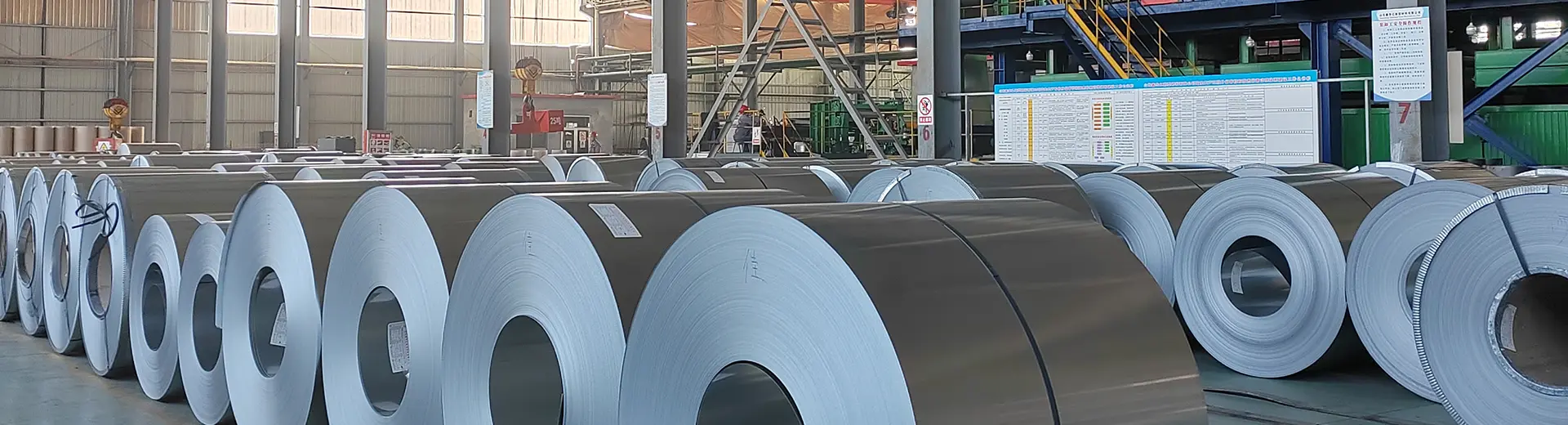
SPHC Carbon Steel Coils: The Ultimate Durable Solution for Your Construction Projects
SPHC Carbon Steel Coils: A Durable Choice for Construction Needs Table of Contents 1. Introduction to SPHC Carbon Steel Coils 2. The Composition of SPHC Carbon Steel 3. Key Benefits of Using SPHC Carbon Steel Coils 3.1 Exceptional Strength and Durability 3.2 Versatile Applications in Construction 3.3 Cost-Effectiveness in Large Scale Projects 4. Comparison with Other Steel Types 4.1 SPHC vs. SPCC
SPHC Carbon Steel Coils: A Durable Choice for Construction Needs
Table of Contents
1. Introduction to SPHC Carbon Steel Coils
2. The Composition of SPHC Carbon Steel
3. Key Benefits of Using SPHC Carbon Steel Coils
3.1 Exceptional Strength and Durability
3.2 Versatile Applications in Construction
3.3 Cost-Effectiveness in Large Scale Projects
4. Comparison with Other Steel Types
4.1 SPHC vs. SPCC Steel
4.2 SPHC vs. HRC Steel
5. Technical Specifications of SPHC Carbon Steel Coils
6. Best Practices for Handling and Storage
7. Frequently Asked Questions (FAQs)
8. Conclusion
1. Introduction to SPHC Carbon Steel Coils
In the realm of construction materials, **SPHC carbon steel coils** have carved a niche for themselves due to their unmatched durability and adaptability. Manufacturing sectors globally rely on SPHC coils for various applications, making them a critical component in the construction industry. The versatility of these steel coils offers builders and contractors a reliable choice that meets various construction demands.
2. The Composition of SPHC Carbon Steel
SPHC, which stands for **Steel Plate Hot-rolled Commercial**, is a Japanese standard that specifies the characteristics of hot-rolled carbon steel coils. The primary components of SPHC steel include iron (Fe) with a carbon content typically ranging from **0.06% to 0.10%**. This low carbon content grants the steel its excellent formability and weldability, crucial for construction applications.
In addition to carbon, SPHC steel may contain small amounts of silicon, manganese, phosphorus, and sulfur. By carefully controlling these elements, manufacturers can optimize the mechanical properties of the steel, ensuring its suitability for various environmental conditions and structural requirements.
3. Key Benefits of Using SPHC Carbon Steel Coils
3.1 Exceptional Strength and Durability
One of the standout features of **SPHC carbon steel coils** is their **exceptional strength**. These coils are designed to withstand high levels of stress and strain, making them ideal for supporting heavy loads in structural applications. SPHC steel's durability ensures that constructions remain intact and secure, even under challenging conditions, reducing the frequency of repairs and replacements.
3.2 Versatile Applications in Construction
SPHC carbon steel coils are versatile and can be utilized in a wide range of construction applications, including:
- **Structural Frameworks**: Used in beams, columns, and other load-bearing structures.
- **Pipelines**: Effective for conveying fluids in various industries.
- **Automotive Components**: Used in manufacturing vehicle bodies and parts.
- **Home Appliances**: Found in the structure of refrigerators and washing machines.
Their adaptability makes SPHC coils a preferred choice among contractors and builders, as they can meet diverse construction needs efficiently.
3.3 Cost-Effectiveness in Large Scale Projects
When it comes to large-scale construction projects, **cost-efficiency** is a critical factor. SPHC carbon steel coils are available at competitive prices, making them a budget-friendly option for builders. The **long lifespan** of SPHC steel also contributes to reduced maintenance costs over time, enhancing its attractiveness for commercial and residential projects alike.
4. Comparison with Other Steel Types
To understand the unique advantages of SPHC carbon steel coils, it is essential to compare them with other commonly used steel types.
4.1 SPHC vs. SPCC Steel
While SPCC steel is known for its excellent weldability and formability, SPHC steel offers higher strength and durability. This makes SPHC more suitable for heavy-duty applications where structural integrity is paramount. In contrast, SPCC is often used in applications requiring more malleability, such as automotive parts.
4.2 SPHC vs. HRC Steel
Hot-rolled coils (HRC) and SPHC steel serve different purposes in construction. HRC is primarily used for products requiring high tensile strength, while SPHC is favored for its balanced mechanical properties and ease of processing. For builders looking for a reliable yet flexible material, **SPHC carbon steel coils** often emerge as the preferred choice.
5. Technical Specifications of SPHC Carbon Steel Coils
Understanding the technical specifications of SPHC carbon steel coils is crucial for ensuring they meet the required standards for your projects. Key specifications include:
- **Thickness**: Typically ranges from 1.2mm to 25mm.
- **Width**: Available in widths of up to 2000mm.
- **Yield Strength**: Generally around 245 MPa.
- **Tensile Strength**: Approximately 400-510 MPa.
These specifications lend SPHC coils their structural integrity, making them suitable for various applications, from industrial constructions to residential buildings.
6. Best Practices for Handling and Storage
Proper handling and storage of SPHC carbon steel coils are vital for maintaining their quality and longevity.
- **Storage Conditions**: Store coils in a dry, well-ventilated area to prevent rust and corrosion.
- **Handling Equipment**: Use appropriate lifting equipment to prevent damage when moving coils.
- **Inspection**: Regularly inspect stored coils for signs of wear or corrosion.
By adhering to these best practices, construction professionals can ensure that their SPHC carbon steel coils remain in optimal condition, ready for use in projects.
7. Frequently Asked Questions (FAQs)
Q1: What are the primary uses of SPHC carbon steel coils?
A1: SPHC carbon steel coils are primarily used in structural frameworks, pipelines, automotive components, and home appliances due to their strength and durability.
Q2: How does SPHC steel compare to other steel types?
A2: SPHC steel is known for its exceptional strength and durability, making it ideal for heavy-duty applications, while other types like SPCC and HRC steel serve different purposes based on their mechanical properties.
Q3: What thicknesses are available for SPHC carbon steel coils?
A3: SPHC carbon steel coils typically range in thickness from 1.2mm to 25mm.
Q4: Can SPHC steel be welded?
A4: Yes, SPHC carbon steel is highly weldable, making it suitable for various construction applications.
Q5: What is the cost-effectiveness of using SPHC carbon steel in construction?
A5: SPHC carbon steel coils are competitively priced and offer long lifespans, leading to reduced maintenance costs, making them a cost-effective choice for large-scale projects.
8. Conclusion
In conclusion, **SPHC carbon steel coils** represent a durable, versatile, and cost-effective solution for a myriad of construction needs. Their exceptional strength, adaptability across various applications, and competitive pricing make them a favored choice among industry professionals. By understanding their characteristics and best practices for handling, builders can leverage SPHC coils to ensure the success of their projects while maintaining quality and efficiency.
Whether you are embarking on a new construction project or looking to upgrade your current materials, consider the reliable performance of SPHC carbon steel coils. They stand as a testament to modern engineering and a durable choice that meets the demands of today's construction industry.
MORE NEWS
Understanding A214 Carbon Steel Round Bar: Properties and Applications
A214 carbon steel round bars are essential materials in various industrial applications, particularly in the metallurgy and energy sectors. Known for their exceptional strength and durability, these bars are widely used in construction, manufacturing, and other engineering applications. Understanding the properties and benefits of A214 carbon steel round bars can help businesses make informed deci
2026-08-27
Maximizing Strength and Flexibility with ST12 Cold Rolled Steel Sheets: A Comprehensive Guide
Maximizing Strength and Flexibility with ST12 Cold Rolled Steel Sheets Table of Contents Introduction to ST12 Cold Rolled Steel Sheets What is ST12 Cold Rolled Steel? Benefits of Using ST12 Steel Sheets Applications of ST12 Cold Rolled Steel Sheets Mechanical Properties of ST12 Steel Sheets Manufacturing Process of ST12 Cold Rolled Steel Maintenance and Care for ST12 S
2026-08-20
Understanding NM400 Carbon Steel Plate: Characteristics and Applications
NM400 carbon steel plate is increasingly recognized for its exceptional properties, making it an ideal choice for various applications in the construction and decoration materials sector. Known for its high wear resistance and toughness, NM400 is often employed in situations where durability and strength are paramount. The "NM" in NM400 stands for "Normalized Mild Steel," while the "400" indicate
2026-08-13
Hastelloy C-276: Revolutionizing the Energy Sector with Superior Corrosion Resistance
Hastelloy C-276 and Its Impact on the Energy Sector Introduction to Hastelloy C-276 Hastelloy C-276 is a **nickel-based alloy** renowned for its exceptional resistance to **corrosion** and **oxidation**. Originally designed to withstand harsh environments, Hastelloy C-276 has gained immense popularity across various industries, particularly in the energy sector. It is engineered to perform in extr
2026-08-06
Understanding DC01 Carbon Steel Coil: Characteristics and Applications
The DC01 carbon steel coil is a popular choice in the metallurgy sector, specifically due to its excellent formability and weldability. This low-carbon steel is characterized by its good mechanical properties, which make it suitable for a wide range of applications without compromising strength. It is primarily produced through cold rolling processes, resulting in a smooth surface finish that is o
2026-07-30
SPHC Carbon Steel Coil: Cost-Effective Solutions for Construction Projects
SPHC Carbon Steel Coil: Cost-Effective Solutions for Construction Projects Table of Contents Introduction to SPHC Carbon Steel Coils What is SPHC Steel? Advantages of SPHC Carbon Steel Coils Cost-Effectiveness Durability and Strength Versatility in Applications Applications of SPHC Steel Coils in Construction Structural Use
2026-07-23
LEAVE A MESSAGE
If you are interested in our products, please leave a message.
OUR PRODUCTS
Keep up to date with our latest products


Wechat:
+86-18354346222
(Mr.Wang)
Wechat:
+86-18954325992
(Mr.Wang)
Wechat:
+86-13954316858
(Mr.Wang)
SAF Coolest v1.3.1.2 设置面板 REMSX-AONU-XSASE-SVQ
无数据提示
Sorry, the current section is being updated, stay tuned!
You can view other columns or return to the HOME