Welcome to Our website!

 Esperanto
 Shqiptare
 Euskara
 Zulu
Zulu
 Latinus
 Cymraeg
 தமிழ்
தமிழ்
 Slovak
 Slovak
 Afrikaans
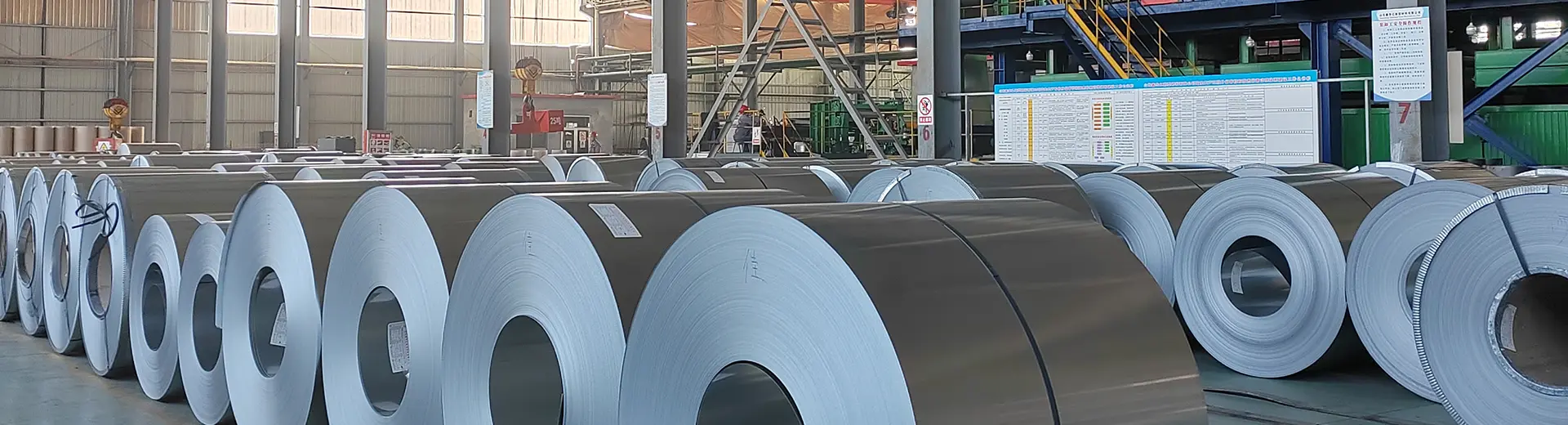
Understanding the Properties of SPHC Carbon Steel Coils for Builders: The Essential Guide
Understanding the Properties of SPHC Carbon Steel Coils for Builders Table of Contents 1. Introduction to SPHC Carbon Steel Coils 2. What is SPHC Steel? 3. Key Properties of SPHC Carbon Steel Coils 3.1 Mechanical Properties 3.2 Chemical Properties 3.3 Physical Properties 4. Applications of SPHC Carbon Steel Coils 5. Advantages of Using SPHC Carbon Steel Coils
Understanding the Properties of SPHC Carbon Steel Coils for Builders
Table of Contents
- 1. Introduction to SPHC Carbon Steel Coils
- 2. What is SPHC Steel?
- 3. Key Properties of SPHC Carbon Steel Coils
- 4. Applications of SPHC Carbon Steel Coils
- 5. Advantages of Using SPHC Carbon Steel Coils in Construction
- 6. Maintenance Tips for SPHC Carbon Steel Coils
- 7. Common Issues with SPHC Carbon Steel Coils
- 8. Frequently Asked Questions
- 9. Conclusion
1. Introduction to SPHC Carbon Steel Coils
SPHC carbon steel coils are essential materials in the construction industry, renowned for their versatility and strength. Understanding the specific properties of these coils can help builders make informed choices concerning material selection, design, and overall project execution. This article delves into the characteristics, applications, and benefits of SPHC carbon steel coils, guiding builders and contractors through the complexities of this vital construction material.
2. What is SPHC Steel?
SPHC stands for "Steel Plate Hot-rolled Commercial," categorized under the JIS (Japanese Industrial Standards). SPHC steel is a type of hot-rolled carbon steel that offers a combination of excellent formability, weldability, and strength. This steel grade is predominantly used for various structural applications, particularly in the manufacturing of steel pipes, containers, and other heavy machinery components.
The manufacturing process involves heating steel slabs at high temperatures and then rolling them into thinner coils or sheets. The inherent properties of SPHC steel make it suitable for a variety of construction applications, ensuring durability and reliability in challenging environments.
3. Key Properties of SPHC Carbon Steel Coils
Understanding the properties of SPHC carbon steel coils is crucial for builders. The following key properties can significantly influence their performance and suitability for specific applications.
3.1 Mechanical Properties
The mechanical properties of SPHC carbon steel coils include yield strength, tensile strength, elongation, and impact resistance:
- **Yield Strength**: SPHC steel typically exhibits a yield strength of approximately 240 MPa, making it suitable for load-bearing applications.
- **Tensile Strength**: The tensile strength of SPHC coils ranges from 370 to 540 MPa, allowing them to withstand significant tension without failure.
- **Elongation**: SPHC steel coils can elongate by approximately 25%, indicating excellent ductility and formability.
- **Impact Resistance**: The steel’s ability to absorb energy during deformation makes it ideal for applications requiring durability and resistance to sudden impacts.
3.2 Chemical Properties
The chemical composition of SPHC carbon steel coils is fundamental to their performance. Common elements found in SPHC steel include:
- **Carbon (C)**: Typically, the carbon content in SPHC steel ranges from 0.12% to 0.20%. This moderate carbon level enhances strength while maintaining ductility.
- **Manganese (Mn)**: Manganese content is generally around 0.4%, which improves hardenability and increases strength.
- **Sulfur (S) and Phosphorus (P)**: These elements are usually present in very low quantities (less than 0.05%) to prevent brittleness.
Understanding the chemical makeup of SPHC steel is critical for predicting how it will perform under different conditions, including exposure to corrosive environments.
3.3 Physical Properties
The physical properties of SPHC carbon steel coils are equally important:
- **Density**: The density of SPHC steel is approximately 7.85 g/cm³, which contributes to the weight and structural integrity of construction projects.
- **Thermal Conductivity**: SPHC steel has a thermal conductivity of around 50 W/m·K, making it suitable for various thermal applications.
- **Corrosion Resistance**: While SPHC steel offers moderate corrosion resistance, it may require protective coatings in highly corrosive environments.
These properties can significantly affect the decision-making process regarding the use of SPHC coils in specific applications.
4. Applications of SPHC Carbon Steel Coils
SPHC carbon steel coils find a broad range of applications in the construction and manufacturing sectors. Some common uses include:
- **Manufacturing Steel Pipes**: Due to their strength and flexibility, SPHC coils are ideal for producing pipes used in construction and infrastructure projects.
- **Automotive Components**: These coils are widely used in the production of automobile body parts and frames, where durability and formability are essential.
- **Containers and Storage**: SPHC carbon steel coils are utilized to create robust containers for shipping and storage, benefiting from their load-bearing capabilities.
- **Structural Steel Frames**: Builders often use SPHC coils in the construction of structural frames, ensuring stability and strength in buildings and bridges.
The versatility of SPHC carbon steel coils makes them an essential component in various industries, highlighting their importance in modern construction.
5. Advantages of Using SPHC Carbon Steel Coils in Construction
Utilizing SPHC carbon steel coils offers several advantages for builders:
- **Cost-Effectiveness**: SPHC steel is relatively affordable compared to other materials, minimizing project costs without compromising quality.
- **Versatility**: The adaptability of SPHC steel allows it to be employed in various applications, contributing to diverse construction needs.
- **High Strength-to-Weight Ratio**: The strength of SPHC coils allows builders to design structures with less material, enhancing efficiency and reducing weight.
- **Ease of Fabrication**: SPHC coils can be easily cut, bent, and welded, simplifying the fabrication process and speeding up project timelines.
These benefits make SPHC carbon steel coils a popular choice among builders and engineers in the construction industry.
6. Maintenance Tips for SPHC Carbon Steel Coils
Proper maintenance of SPHC carbon steel coils enhances their longevity and performance. Consider the following tips:
- **Regular Inspections**: Conduct routine checks for signs of corrosion or wear, especially in harsh environments.
- **Protective Coatings**: Apply rust-resistant coatings or galvanization to prevent corrosion and extend the life of SPHC coils.
- **Proper Storage**: Store SPHC coils in dry, clean environments to minimize exposure to moisture and contaminants.
- **Cleaning Procedures**: Use appropriate cleaning methods to remove dirt and debris, ensuring the coils remain in optimal condition.
Implementing these maintenance practices can help builders maximize the lifespan and effectiveness of SPHC carbon steel coils in their projects.
7. Common Issues with SPHC Carbon Steel Coils
Despite their many advantages, builders may encounter some challenges when working with SPHC carbon steel coils:
- **Corrosion**: Exposure to moisture and chemicals can lead to rust, necessitating protective measures.
- **Brittleness**: In certain cases, improper handling or exceeding the yield strength can result in brittleness and failure.
- **Welding Issues**: If not properly handled, welding SPHC steel can lead to defects or weaknesses in the joint.
Understanding these potential issues allows builders to take proactive measures to mitigate risks associated with the use of SPHC carbon steel coils.
8. Frequently Asked Questions
1. What is the difference between SPHC and other carbon steel grades?
SPHC steel is specifically designed for hot-rolled applications, while other grades may be tailored for different specifications, such as cold-rolled or higher strength requirements.
2. Can SPHC carbon steel coils be used in outdoor applications?
Yes, SPHC coils can be used outdoors; however, protective coatings are recommended to prevent corrosion from environmental exposure.
3. How do I determine the right thickness of SPHC steel coils for my project?
The required thickness depends on the structural load and application. Consulting with an engineer or material specialist is advisable to ensure proper selection.
4. Are SPHC carbon steel coils recyclable?
Absolutely! SPHC steel coils are recyclable, contributing to sustainability efforts in construction and manufacturing.
5. What welding techniques are suitable for SPHC carbon steel coils?
Common welding methods for SPHC coils include MIG, TIG, and spot welding, depending on the specific application and requirements.
9. Conclusion
Understanding the properties of SPHC carbon steel coils is essential for builders and contractors looking to make informed decisions in their construction projects. With their excellent mechanical properties, versatility in applications, and cost-effectiveness, SPHC coils represent a reliable option in the building materials market. By maintaining these materials properly and being aware of potential issues, builders can leverage the strengths of SPHC carbon steel coils to create durable, long-lasting structures. This guide serves as a comprehensive resource, empowering builders to utilize SPHC carbon steel coils effectively and efficiently in their projects.
MORE NEWS
Understanding A214 Carbon Steel Round Bar: Properties and Applications
A214 carbon steel round bars are essential materials in various industrial applications, particularly in the metallurgy and energy sectors. Known for their exceptional strength and durability, these bars are widely used in construction, manufacturing, and other engineering applications. Understanding the properties and benefits of A214 carbon steel round bars can help businesses make informed deci
2026-08-27
Maximizing Strength and Flexibility with ST12 Cold Rolled Steel Sheets: A Comprehensive Guide
Maximizing Strength and Flexibility with ST12 Cold Rolled Steel Sheets Table of Contents Introduction to ST12 Cold Rolled Steel Sheets What is ST12 Cold Rolled Steel? Benefits of Using ST12 Steel Sheets Applications of ST12 Cold Rolled Steel Sheets Mechanical Properties of ST12 Steel Sheets Manufacturing Process of ST12 Cold Rolled Steel Maintenance and Care for ST12 S
2026-08-20
Understanding NM400 Carbon Steel Plate: Characteristics and Applications
NM400 carbon steel plate is increasingly recognized for its exceptional properties, making it an ideal choice for various applications in the construction and decoration materials sector. Known for its high wear resistance and toughness, NM400 is often employed in situations where durability and strength are paramount. The "NM" in NM400 stands for "Normalized Mild Steel," while the "400" indicate
2026-08-13
Hastelloy C-276: Revolutionizing the Energy Sector with Superior Corrosion Resistance
Hastelloy C-276 and Its Impact on the Energy Sector Introduction to Hastelloy C-276 Hastelloy C-276 is a **nickel-based alloy** renowned for its exceptional resistance to **corrosion** and **oxidation**. Originally designed to withstand harsh environments, Hastelloy C-276 has gained immense popularity across various industries, particularly in the energy sector. It is engineered to perform in extr
2026-08-06
Understanding DC01 Carbon Steel Coil: Characteristics and Applications
The DC01 carbon steel coil is a popular choice in the metallurgy sector, specifically due to its excellent formability and weldability. This low-carbon steel is characterized by its good mechanical properties, which make it suitable for a wide range of applications without compromising strength. It is primarily produced through cold rolling processes, resulting in a smooth surface finish that is o
2026-07-30
SPHC Carbon Steel Coil: Cost-Effective Solutions for Construction Projects
SPHC Carbon Steel Coil: Cost-Effective Solutions for Construction Projects Table of Contents Introduction to SPHC Carbon Steel Coils What is SPHC Steel? Advantages of SPHC Carbon Steel Coils Cost-Effectiveness Durability and Strength Versatility in Applications Applications of SPHC Steel Coils in Construction Structural Use
2026-07-23
LEAVE A MESSAGE
If you are interested in our products, please leave a message.
OUR PRODUCTS
Keep up to date with our latest products


Wechat:
+86-18354346222
(Mr.Wang)
Wechat:
+86-18954325992
(Mr.Wang)
Wechat:
+86-13954316858
(Mr.Wang)
SAF Coolest v1.3.1.2 设置面板 REMSX-AONU-XSASE-SVQ
无数据提示
Sorry, the current section is being updated, stay tuned!
You can view other columns or return to the HOME