Welcome to Our website!

 Esperanto
 Shqiptare
 Euskara
 Zulu
Zulu
 Latinus
 Cymraeg
 தமிழ்
தமிழ்
 Slovak
 Slovak
 Afrikaans
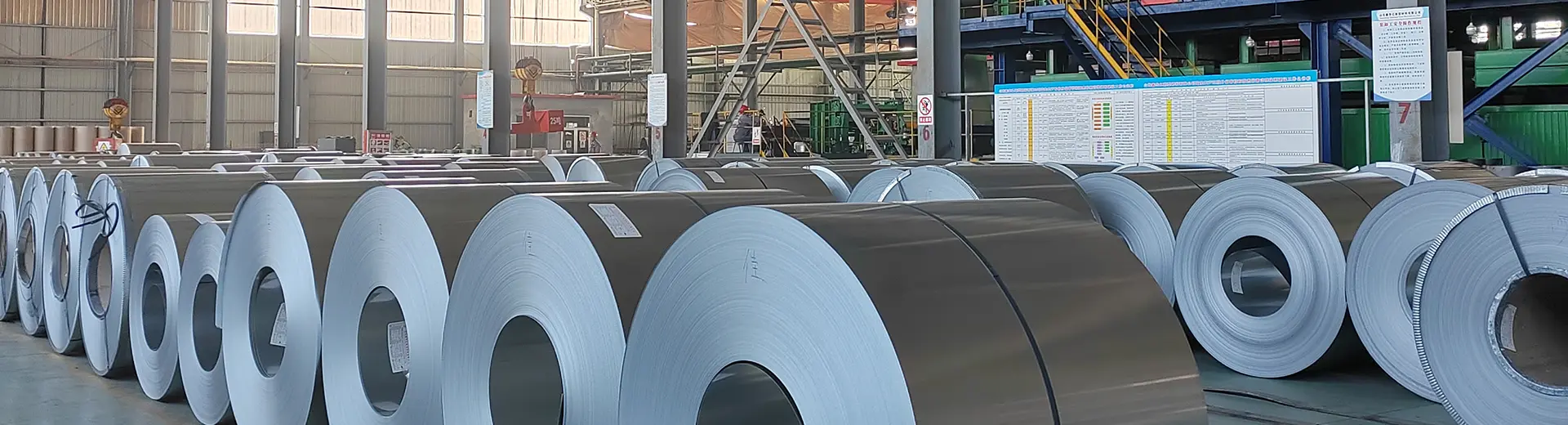
Understanding the Composition of Hastelloy C-276 Stainless Steel Coils
Understanding the Composition of Hastelloy C-276 Stainless Steel Coils Table of Contents What is Hastelloy C-276? Composition of Hastelloy C-276 Key Properties of Hastelloy C-276 Applications of Hastelloy C-276 Stainless Steel Coils Manufacturing Process of Hastelloy C-276 Coils Advantages of Using Hastelloy C-276 Comparison with Other Alloys Frequently Asked Quest
Understanding the Composition of Hastelloy C-276 Stainless Steel Coils
Table of Contents
- What is Hastelloy C-276?
- Composition of Hastelloy C-276
- Key Properties of Hastelloy C-276
- Applications of Hastelloy C-276 Stainless Steel Coils
- Manufacturing Process of Hastelloy C-276 Coils
- Advantages of Using Hastelloy C-276
- Comparison with Other Alloys
- Frequently Asked Questions
- Conclusion
What is Hastelloy C-276?
Hastelloy C-276 is a highly versatile, corrosion-resistant alloy primarily composed of nickel, molybdenum, and chromium. This superalloy is renowned for its exceptional ability to withstand a wide range of corrosive environments, making it a preferred choice in various industries, including chemical processing, oil and gas, and power generation. The unique composition of Hastelloy C-276 contributes to its robust performance, especially in applications involving harsh chemicals and extreme temperatures.
Composition of Hastelloy C-276
The fundamental strength of Hastelloy C-276 lies in its carefully balanced composition. The primary elements include:
- Nickel (Ni): Approximately 57%, nickel is the predominant metal that provides excellent resistance to pitting, crevice corrosion, and stress corrosion cracking.
- Molybdenum (Mo): Around 15-17%, molybdenum enhances the alloy's corrosion resistance, particularly against reducing environments.
- Chromium (Cr): Typically 14.5-16.5%, chromium improves oxidation resistance and overall durability.
- Tungsten (W): About 3-4.5%, tungsten contributes to the alloy's overall strength and resistance to corrosion.
- Iron (Fe): Approximately 4%, iron is included in smaller amounts, allowing for a balanced microstructure.
- Carbon (C): Limited to 0.01% or less, carbon is kept minimal to maintain ductility and prevent carbide precipitation.
- Silicon (Si), Manganese (Mn), and Phosphorus (P): These elements are present in trace amounts, ensuring that their effects do not compromise the alloy's properties.
This specific combination of elements results in a material that excels in high-stress environments, making Hastelloy C-276 one of the most sought-after alloys in the metallurgical industry.
Key Properties of Hastelloy C-276
Hastelloy C-276 exhibits several remarkable properties that set it apart from other stainless steels:
- Corrosion Resistance: Its superior resistance to both oxidizing and reducing environments makes it ideal for chemical processing.
- High-Temperature Strength: Hastelloy C-276 maintains its mechanical properties even at elevated temperatures, ensuring stability in high-heat applications.
- Ductility and Weldability: The alloy is highly malleable and can be welded without compromising its mechanical integrity, making it suitable for complex fabrication processes.
- Excellent Fabricability: It can be easily formed, machined, and processed into various shapes, including coils and sheets.
- Stress Corrosion Cracking Resistance: The alloy's composition minimizes the risk of stress corrosion cracking, which is a common failure mode in many metals.
Applications of Hastelloy C-276 Stainless Steel Coils
Due to its unique properties, Hastelloy C-276 is utilized in various applications, including:
- Pulp and Paper Industry: It is employed in processes involving bleaching and other corrosive chemicals.
- Oil and Gas Industry: The alloy is used in downhole tubing and other components that experience extreme environments.
- Chemical Processing: Hastelloy C-276 is widely used for reactors, heat exchangers, and piping systems that handle aggressive chemicals.
- Pharmaceutical Manufacturing: The alloy's cleanliness and corrosion resistance make it ideal for drug and vaccine production.
- Waste Treatment: It is used in systems designed to manage and treat corrosive waste materials.
Manufacturing Process of Hastelloy C-276 Coils
The manufacturing of Hastelloy C-276 coils involves several steps that ensure the final product meets stringent quality standards:
- Melting: The alloying elements are melted together in an electric arc furnace, creating a homogeneous alloy.
- Forming: The molten alloy is then cast into slabs or billets, which are subsequently processed into coils through hot and cold rolling techniques.
- Heat Treatment: The coils undergo heat treatment to relieve internal stresses and enhance mechanical properties.
- Finishing: Finally, the coils are subjected to surface treatments to achieve the desired finish and remove any impurities.
These processes ensure that the coils exhibit the necessary properties for their intended applications and are manufactured to the highest quality standards.
Advantages of Using Hastelloy C-276
Choosing Hastelloy C-276 for your projects offers numerous advantages:
- Long-Term Cost Efficiency: Although the initial investment may be higher, the durability and longevity of Hastelloy C-276 can lead to lower maintenance and replacement costs over time.
- Versatility: Its ability to perform well in diverse environments allows it to be used across various industries, reducing the need for multiple materials.
- Enhanced Safety: The alloy's resistance to failure in extreme conditions ensures safer operations in critical applications.
Comparison with Other Alloys
When evaluating Hastelloy C-276 against other alloys, several key differences emerge:
- Compared to 316 Stainless Steel: Hastelloy C-276 offers superior corrosion resistance, particularly in chlorinated environments, where 316 may succumb to pitting and crevice corrosion.
- Compared to Inconel: While Inconel provides excellent high-temperature resistance, Hastelloy C-276 excels in corrosive environments, giving it a distinct advantage in chemical processing applications.
Ultimately, the choice between these materials depends on the specific requirements of the application at hand.
Frequently Asked Questions
1. What is the primary use of Hastelloy C-276?
Hastelloy C-276 is primarily used in environments that involve corrosive chemicals, particularly in the chemical processing and oil and gas industries.
2. Can Hastelloy C-276 be welded?
Yes, Hastelloy C-276 can be welded using appropriate techniques. It is known for its excellent weldability, which allows for complex fabrications.
3. What temperature range can Hastelloy C-276 withstand?
This alloy maintains its mechanical strength and corrosion resistance effectively in temperatures up to approximately 1000°F (540°C).
4. How does Hastelloy C-276 perform in high-stress environments?
Hastelloy C-276 is designed to resist stress corrosion cracking, making it highly effective in high-stress applications.
5. Is Hastelloy C-276 more expensive than other stainless steels?
Yes, the cost of Hastelloy C-276 is generally higher than standard stainless steels, but its durability and performance often justify the investment.
Conclusion
Hastelloy C-276 stainless steel coils are an essential component in various industries due to their unique composition and properties. Understanding the alloy's metallurgical makeup, including its resistance to corrosion and high-temperature performance, enables businesses to make informed decisions regarding their material needs. As industries continue to evolve and demand more resilient materials, Hastelloy C-276 stands out as a premier choice for applications requiring strength and reliability in harsh environments. Investing in this exceptional superalloy ensures long-term safety, efficiency, and cost-effectiveness, making it an invaluable resource in the metallurgical sector.
MORE NEWS
Understanding A214 Carbon Steel Round Bar: Properties and Applications
A214 carbon steel round bars are essential materials in various industrial applications, particularly in the metallurgy and energy sectors. Known for their exceptional strength and durability, these bars are widely used in construction, manufacturing, and other engineering applications. Understanding the properties and benefits of A214 carbon steel round bars can help businesses make informed deci
2026-08-27
Maximizing Strength and Flexibility with ST12 Cold Rolled Steel Sheets: A Comprehensive Guide
Maximizing Strength and Flexibility with ST12 Cold Rolled Steel Sheets Table of Contents Introduction to ST12 Cold Rolled Steel Sheets What is ST12 Cold Rolled Steel? Benefits of Using ST12 Steel Sheets Applications of ST12 Cold Rolled Steel Sheets Mechanical Properties of ST12 Steel Sheets Manufacturing Process of ST12 Cold Rolled Steel Maintenance and Care for ST12 S
2026-08-20
Understanding NM400 Carbon Steel Plate: Characteristics and Applications
NM400 carbon steel plate is increasingly recognized for its exceptional properties, making it an ideal choice for various applications in the construction and decoration materials sector. Known for its high wear resistance and toughness, NM400 is often employed in situations where durability and strength are paramount. The "NM" in NM400 stands for "Normalized Mild Steel," while the "400" indicate
2026-08-13
Hastelloy C-276: Revolutionizing the Energy Sector with Superior Corrosion Resistance
Hastelloy C-276 and Its Impact on the Energy Sector Introduction to Hastelloy C-276 Hastelloy C-276 is a **nickel-based alloy** renowned for its exceptional resistance to **corrosion** and **oxidation**. Originally designed to withstand harsh environments, Hastelloy C-276 has gained immense popularity across various industries, particularly in the energy sector. It is engineered to perform in extr
2026-08-06
Understanding DC01 Carbon Steel Coil: Characteristics and Applications
The DC01 carbon steel coil is a popular choice in the metallurgy sector, specifically due to its excellent formability and weldability. This low-carbon steel is characterized by its good mechanical properties, which make it suitable for a wide range of applications without compromising strength. It is primarily produced through cold rolling processes, resulting in a smooth surface finish that is o
2026-07-30
SPHC Carbon Steel Coil: Cost-Effective Solutions for Construction Projects
SPHC Carbon Steel Coil: Cost-Effective Solutions for Construction Projects Table of Contents Introduction to SPHC Carbon Steel Coils What is SPHC Steel? Advantages of SPHC Carbon Steel Coils Cost-Effectiveness Durability and Strength Versatility in Applications Applications of SPHC Steel Coils in Construction Structural Use
2026-07-23
LEAVE A MESSAGE
If you are interested in our products, please leave a message.
OUR PRODUCTS
Keep up to date with our latest products


Wechat:
+86-18354346222
(Mr.Wang)
Wechat:
+86-18954325992
(Mr.Wang)
Wechat:
+86-13954316858
(Mr.Wang)
SAF Coolest v1.3.1.2 设置面板 REMSX-AONU-XSASE-SVQ
无数据提示
Sorry, the current section is being updated, stay tuned!
You can view other columns or return to the HOME