Welcome to Our website!

 Esperanto
 Shqiptare
 Euskara
 Zulu
Zulu
 Latinus
 Cymraeg
 தமிழ்
தமிழ்
 Slovak
 Slovak
 Afrikaans
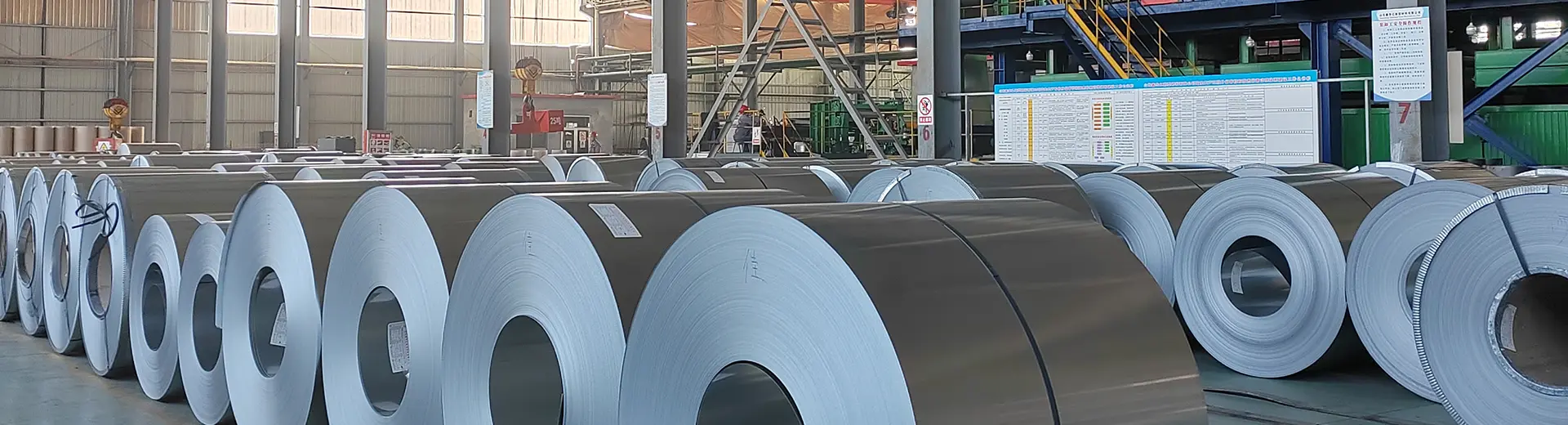
How to Select the Best Hastelloy C-276 Stainless Steel Coil for Your Project
How to Select the Best Hastelloy C-276 Stainless Steel Coil for Your Project Table of Contents 1. Introduction to Hastelloy C-276 2. What is Hastelloy C-276? 3. Key Properties of Hastelloy C-276 4. Applications of Hastelloy C-276 Stainless Steel Coil 5. Criteria for Selecting the Best Hastelloy C-276 Stainless Steel Coil 6. Understanding Sizes and Thicknesses 7. Pricin
How to Select the Best Hastelloy C-276 Stainless Steel Coil for Your Project
Table of Contents
- 1. Introduction to Hastelloy C-276
- 2. What is Hastelloy C-276?
- 3. Key Properties of Hastelloy C-276
- 4. Applications of Hastelloy C-276 Stainless Steel Coil
- 5. Criteria for Selecting the Best Hastelloy C-276 Stainless Steel Coil
- 6. Understanding Sizes and Thicknesses
- 7. Pricing and Sourcing Considerations
- 8. Maintenance and Care for Hastelloy C-276 Coils
- 9. Frequently Asked Questions
- 10. Conclusion
1. Introduction to Hastelloy C-276
Hastelloy C-276 is a versatile and high-performance alloy renowned for its exceptional resistance to corrosion and heat. In industries where harsh conditions prevail, selecting the right type of material is paramount. This guide aims to provide you with the knowledge required to choose the **best Hastelloy C-276 stainless steel coil** tailored to your project needs.
2. What is Hastelloy C-276?
Hastelloy C-276 is a nickel-molybdenum-chromium alloy known for its impressive resistance to a wide range of corrosive environments. It effortlessly withstands pitting, stress corrosion cracking, and oxidation. The alloy contains a unique combination of elements that bestow it with superior performance in high-temperature and aggressive chemical surroundings.
2.1 Chemical Composition
The typical composition of Hastelloy C-276 includes:
- Nickel: 57%
- Molybdenum: 15%
- Chromium: 15%
- Iron: 5%
- Tungsten: 3.5%
- Carbon: 0.01% max
- Silicon: 0.08% max
This specific composition contributes to its remarkable durability and versatility.
3. Key Properties of Hastelloy C-276
Understanding the properties of Hastelloy C-276 is crucial in determining whether it fits your project requirements. Here are some of its standout characteristics:
3.1 Corrosion Resistance
Hastelloy C-276 excels in resisting corrosive attacks from various chemicals including sulfuric acid, hydrochloric acid, and even chlorine. This makes it ideal for industries such as chemical processing, pulp and paper production, and waste treatment.
3.2 High-Temperature Stability
The alloy maintains its strength and structural integrity at elevated temperatures, making it suitable for applications involving heat, such as furnace components and gas turbine parts.
3.3 Weldability
Welding Hastelloy C-276 is straightforward, thanks to its ability to maintain its corrosion resistance and mechanical properties post-welding. This is a crucial factor when considering fabrication processes.
3.4 Formability
Hastelloy C-276 can be easily formed into various shapes, which adds to its versatility in application.
4. Applications of Hastelloy C-276 Stainless Steel Coil
Hastelloy C-276 is employed across various industries due to its unique properties. Some of the most common applications include:
4.1 Chemical Processing
In chemical plants, Hastelloy C-276 is widely used in reactors, heat exchangers, and piping systems that handle aggressive chemicals.
4.2 Oil and Gas
This alloy is used in offshore platforms and refineries where exposure to corrosive environments is prevalent.
4.3 Aerospace
Hastelloy C-276 finds applications in aerospace components due to its ability to withstand extreme conditions and environments.
4.4 Pollution Control
The alloy's resistance to corrosion makes it an excellent choice for scrubbers and other pollution control equipment.
5. Criteria for Selecting the Best Hastelloy C-276 Stainless Steel Coil
When selecting the right Hastelloy C-276 coil for your project, consider the following criteria:
5.1 Project Specifications
Understand your project's specific requirements, including operating temperature, pressure, and the types of chemicals involved.
5.2 Thickness and Width
Make sure to choose the appropriate thickness and width for your application. The dimensions will affect the coil's performance and usability in your project.
5.3 Surface Finish
Select a surface finish that aligns with your project needs. For sensitive applications, a polished surface might be necessary to ensure cleanliness and performance.
5.4 Certification and Quality Standards
Ensure that the Hastelloy C-276 coils you are considering meet industry standards and certifications. This will guarantee quality and consistency.
6. Understanding Sizes and Thicknesses
Hastelloy C-276 coils come in various sizes and thicknesses, making it essential to understand what you need for your project.
6.1 Standard Thicknesses
Common thicknesses range from 0.02 inches to 0.5 inches, but custom sizes are often available depending on the supplier.
6.2 Width Options
Coil widths can vary, and selecting the right width depends on the application and machinery involved in processing the material.
6.3 Custom Specifications
If standard sizes do not meet your project needs, consult with manufacturers for custom coil options that can fit your specifications.
7. Pricing and Sourcing Considerations
Understanding market factors affecting pricing can help you find the best deals on Hastelloy C-276 coils.
7.1 Market Trends
Keep an eye on the market to gauge when is the best time to purchase materials. Prices can fluctuate based on demand and supply chain issues.
7.2 Supplier Reputation
Choose reputable suppliers with a track record of delivering high-quality Hastelloy C-276 materials. Look for reviews and testimonials.
7.3 Bulk Purchasing
Consider bulk purchasing options if you need large quantities, as this can lead to significant savings.
8. Maintenance and Care for Hastelloy C-276 Coils
Proper maintenance ensures the longevity and performance of Hastelloy C-276 coils.
8.1 Cleaning Procedures
Use mild detergent solutions or specialized cleaning agents to remove contaminants without damaging the alloy.
8.2 Storage Recommendations
Store coils in a dry and cool environment to prevent corrosion and maintain quality.
8.3 Regular Inspections
Conduct regular inspections to identify any signs of wear or corrosion, ensuring timely maintenance action is taken.
9. Frequently Asked Questions
9.1 What industries commonly use Hastelloy C-276?
Hastelloy C-276 is widely used in chemical processing, oil and gas, aerospace, and pollution control industries.
9.2 How does Hastelloy C-276 compare to other alloys?
Hastelloy C-276 offers superior corrosion resistance and high-temperature stability compared to many other alloys, making it a preferred choice for harsh environments.
9.3 Is Hastelloy C-276 difficult to weld?
No, Hastelloy C-276 is relatively easy to weld, maintaining its properties after the welding process.
9.4 What is the typical lead time for ordering Hastelloy C-276 coils?
Lead times can vary by supplier but are generally between 2 to 6 weeks, depending on stock availability and customization requirements.
9.5 Can Hastelloy C-276 be recycled?
Yes, Hastelloy C-276 is recyclable, making it an environmentally friendly choice for many applications.
10. Conclusion
Selecting the right Hastelloy C-276 stainless steel coil for your project is a critical decision that can significantly affect the performance and longevity of your application. By understanding its properties, applications, and essential selection criteria, you can make informed choices that meet your specific needs. Always consider your project requirements, supplier reliability, and maintenance practices to ensure you harness the full benefits of this exceptional alloy. With the right approach, you can confidently incorporate Hastelloy C-276 into your projects, ensuring durability and efficiency in even the harshest environments.
MORE NEWS
Understanding A214 Carbon Steel Round Bar: Properties and Applications
A214 carbon steel round bars are essential materials in various industrial applications, particularly in the metallurgy and energy sectors. Known for their exceptional strength and durability, these bars are widely used in construction, manufacturing, and other engineering applications. Understanding the properties and benefits of A214 carbon steel round bars can help businesses make informed deci
2026-08-27
Maximizing Strength and Flexibility with ST12 Cold Rolled Steel Sheets: A Comprehensive Guide
Maximizing Strength and Flexibility with ST12 Cold Rolled Steel Sheets Table of Contents Introduction to ST12 Cold Rolled Steel Sheets What is ST12 Cold Rolled Steel? Benefits of Using ST12 Steel Sheets Applications of ST12 Cold Rolled Steel Sheets Mechanical Properties of ST12 Steel Sheets Manufacturing Process of ST12 Cold Rolled Steel Maintenance and Care for ST12 S
2026-08-20
Understanding NM400 Carbon Steel Plate: Characteristics and Applications
NM400 carbon steel plate is increasingly recognized for its exceptional properties, making it an ideal choice for various applications in the construction and decoration materials sector. Known for its high wear resistance and toughness, NM400 is often employed in situations where durability and strength are paramount. The "NM" in NM400 stands for "Normalized Mild Steel," while the "400" indicate
2026-08-13
Hastelloy C-276: Revolutionizing the Energy Sector with Superior Corrosion Resistance
Hastelloy C-276 and Its Impact on the Energy Sector Introduction to Hastelloy C-276 Hastelloy C-276 is a **nickel-based alloy** renowned for its exceptional resistance to **corrosion** and **oxidation**. Originally designed to withstand harsh environments, Hastelloy C-276 has gained immense popularity across various industries, particularly in the energy sector. It is engineered to perform in extr
2026-08-06
Understanding DC01 Carbon Steel Coil: Characteristics and Applications
The DC01 carbon steel coil is a popular choice in the metallurgy sector, specifically due to its excellent formability and weldability. This low-carbon steel is characterized by its good mechanical properties, which make it suitable for a wide range of applications without compromising strength. It is primarily produced through cold rolling processes, resulting in a smooth surface finish that is o
2026-07-30
SPHC Carbon Steel Coil: Cost-Effective Solutions for Construction Projects
SPHC Carbon Steel Coil: Cost-Effective Solutions for Construction Projects Table of Contents Introduction to SPHC Carbon Steel Coils What is SPHC Steel? Advantages of SPHC Carbon Steel Coils Cost-Effectiveness Durability and Strength Versatility in Applications Applications of SPHC Steel Coils in Construction Structural Use
2026-07-23
LEAVE A MESSAGE
If you are interested in our products, please leave a message.
OUR PRODUCTS
Keep up to date with our latest products


Wechat:
+86-18354346222
(Mr.Wang)
Wechat:
+86-18954325992
(Mr.Wang)
Wechat:
+86-13954316858
(Mr.Wang)
SAF Coolest v1.3.1.2 设置面板 REMSX-AONU-XSASE-SVQ
无数据提示
Sorry, the current section is being updated, stay tuned!
You can view other columns or return to the HOME