Welcome to Our website!

 Esperanto
 Shqiptare
 Euskara
 Zulu
Zulu
 Latinus
 Cymraeg
 தமிழ்
தமிழ்
 Slovak
 Slovak
 Afrikaans
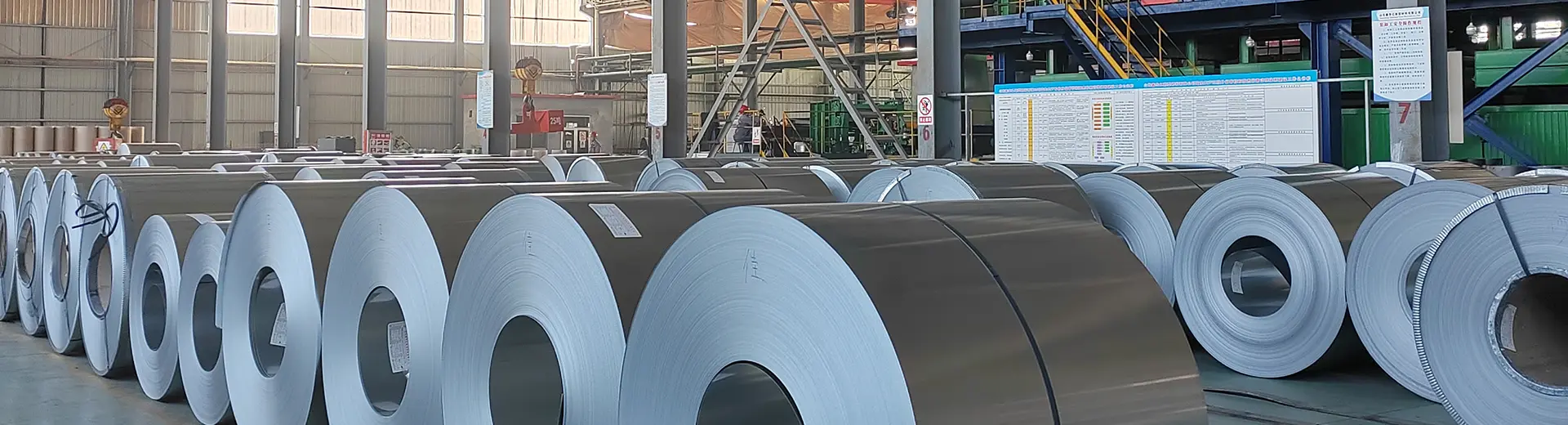
Hastelloy C-276 Stainless Steel Coils: Unmatched Corrosion Resistance for Extreme Environments
Hastelloy C-276 Stainless Steel Coils: Unmatched Corrosion Resistance for Extreme Environments Table of Contents 1. Introduction to Hastelloy C-276 2. Composition and Properties of Hastelloy C-276 3. Unmatched Corrosion Resistance 4. Applications of Hastelloy C-276 Stainless Steel Coils 5. Manufacturing Process of Hastelloy C-276 Coils 6. Advantages of Using Hastelloy C-276 7. Compa
Hastelloy C-276 Stainless Steel Coils: Unmatched Corrosion Resistance for Extreme Environments
Table of Contents
- 1. Introduction to Hastelloy C-276
- 2. Composition and Properties of Hastelloy C-276
- 3. Unmatched Corrosion Resistance
- 4. Applications of Hastelloy C-276 Stainless Steel Coils
- 5. Manufacturing Process of Hastelloy C-276 Coils
- 6. Advantages of Using Hastelloy C-276
- 7. Comparison with Other Corrosion-Resistant Alloys
- 8. Maintenance and Care for Hastelloy C-276 Coils
- 9. Conclusion
- 10. Frequently Asked Questions
1. Introduction to Hastelloy C-276
Hastelloy C-276 is a nickel-molybdenum-chromium alloy specifically crafted to excel in the most challenging environments. Renowned for its **exceptional corrosion resistance**, it is a leading choice for industries such as chemical processing, oil and gas, and power generation. This article will provide a comprehensive overview of Hastelloy C-276 stainless steel coils, outlining their unique properties, various applications, and the significant benefits they offer.
2. Composition and Properties of Hastelloy C-276
Hastelloy C-276 is comprised of a sophisticated blend of elements that contribute to its outstanding performance. The primary constituents include:
- **Nickel (Ni):** Approximately 57%
- **Molybdenum (Mo):** About 15%
- **Chromium (Cr):** Roughly 15%
- **Iron (Fe):** Less than 7%
- **Tungsten (W):** Approximately 4.5%
This unique combination results in a material that exhibits remarkable strength and durability. The high molybdenum content enhances the alloy's resistance to pitting and crevice corrosion, while chromium contributes to its oxidation resistance.
One of the standout features of Hastelloy C-276 is its ability to maintain its integrity in extreme temperatures and pressures, making it an ideal choice for various demanding applications.
3. Unmatched Corrosion Resistance
The primary reason for the widespread use of Hastelloy C-276 is its **unmatched corrosion resistance**. This alloy demonstrates exceptional performance in various harsh environments, including:
- **Oxidizing Atmospheres:** Provides protection against corrosive agents such as nitric acid.
- **Reducing Conditions:** Delivers robust resistance to chlorides and other reducing acids.
- **High-Temperature Environments:** Maintains performance under extreme heat without compromising mechanical integrity.
The corrosion resistance of Hastelloy C-276 is largely due to its unique microstructure, which allows for the formation of a self-healing passive layer that protects the underlying material from further damage. This intrinsic property means that even if the surface is abraded or damaged, the alloy can quickly heal itself, ensuring long-lasting performance.
4. Applications of Hastelloy C-276 Stainless Steel Coils
Hastelloy C-276 coils are utilized across numerous industries due to their superior properties. Some key applications include:
4.1 Chemical Processing
In the chemical industry, Hastelloy C-276 is used for reactors, heat exchangers, and pipes due to its ability to withstand corrosive chemicals such as sulfuric acid and hydrochloric acid.
4.2 Oil and Gas
The oil and gas sector benefits from Hastelloy C-276 in offshore platforms and refineries, where exposure to harsh environments is common. Its resistance to sour gas environments makes it a reliable choice.
4.3 Power Generation
In power plants, this alloy is used in flue gas desulfurization systems, turbines, and other critical components that require durability and corrosion resistance.
4.4 Aerospace and Marine Applications
Hastelloy C-276 is also a preferred material for aerospace components and marine environments, where resistance to seawater and high-stress conditions is vital.
5. Manufacturing Process of Hastelloy C-276 Coils
The manufacturing process of Hastelloy C-276 coils involves several stages that ensure high-quality output.
5.1 Melting and Casting
The alloy is initially melted in a vacuum or argon atmosphere to prevent contamination. This process helps achieve a uniform composition.
5.2 Hot Rolling
The molten alloy is then hot rolled into thin sheets or coils at elevated temperatures. This step enhances the alloy's mechanical properties and workability.
5.3 Annealing and Pickling
After rolling, the coils undergo an annealing process to relieve stresses and improve ductility. Subsequently, pickling removes any scale or oxide formed during rolling, ensuring a clean surface.
5.4 Cold Rolling
For thinner gauges, cold rolling is performed, which further refines the material's properties and achieves the desired thickness.
5.5 Final Inspection
Before shipment, each batch of coils is subjected to rigorous quality control tests, including chemical composition analysis, mechanical property testing, and corrosion resistance evaluations.
6. Advantages of Using Hastelloy C-276
Hastelloy C-276 offers numerous advantages that make it a sought-after material across various industries:
- **Durability:** Its exceptional strength helps withstand extreme conditions, ensuring longevity.
- **Versatility:** Suitable for a wide range of applications due to its ability to resist various corrosive agents.
- **Reduced Maintenance Costs:** The self-healing properties lead to lower maintenance needs and downtime.
- **High-Temperature Resistance:** Maintains performance under elevated temperatures without degradation.
These advantages make Hastelloy C-276 a highly cost-effective solution for industries requiring reliable and durable materials.
7. Comparison with Other Corrosion-Resistant Alloys
When comparing Hastelloy C-276 with other corrosion-resistant alloys, it stands out for several reasons:
7.1 versus Inconel 625
While Inconel 625 is also highly resistant to oxidation and heat, it may not perform as well in reducing environments as Hastelloy C-276, which thrives in both oxidizing and reducing conditions.
7.2 versus Monel Alloys
Monel alloys like Monel 400 are resistant to seawater corrosion but may not offer the same level of protection against strong acids as Hastelloy C-276.
7.3 versus Titanium Alloys
Titanium alloys are known for their outstanding corrosion resistance but can be more challenging to machine and fabricate compared to Hastelloy C-276, which provides excellent workability.
The superior properties of Hastelloy C-276 make it a preferred choice in applications where corrosion resistance is critical.
8. Maintenance and Care for Hastelloy C-276 Coils
To ensure optimal performance and longevity of Hastelloy C-276 coils, proper maintenance and care practices should be observed:
8.1 Regular Inspections
Conduct routine inspections to identify any surface anomalies or signs of wear. Timely detection facilitates prompt maintenance.
8.2 Cleaning Procedures
Utilize appropriate cleaning agents to avoid damaging the alloy's surface. Non-abrasive cleaners are recommended to maintain the protective passive layer.
8.3 Environmental Considerations
Store and handle Hastelloy C-276 coils in controlled environments to minimize exposure to detrimental elements that could affect their performance.
Implementing these maintenance practices will help maximize the life span of Hastelloy C-276 coils.
9. Conclusion
Hastelloy C-276 stainless steel coils represent an exceptional solution for industries requiring unmatched corrosion resistance in extreme environments. With their unique composition, outstanding properties, and significant advantages, they have become the material of choice in various applications. Investing in Hastelloy C-276 coils not only ensures reliability and durability but also contributes to long-term cost-effectiveness due to reduced maintenance needs. As industries continue to face increasing challenges from corrosive environments, the demand for high-performance materials like Hastelloy C-276 will undoubtedly grow.
10. Frequently Asked Questions
1. What is Hastelloy C-276 used for?
Hastelloy C-276 is primarily used in chemical processing, oil and gas, power generation, and aerospace applications due to its exceptional corrosion resistance and durability.
2. How does Hastelloy C-276 compare to stainless steel?
Unlike standard stainless steel, Hastelloy C-276 offers superior resistance to a wider range of corrosive environments, making it a better choice for extreme conditions.
3. Can Hastelloy C-276 be welded?
Yes, Hastelloy C-276 can be welded using various techniques, including TIG and MIG welding, provided the appropriate procedures are followed to maintain its properties.
4. What are the advantages of using coils over sheets?
Coils provide increased flexibility for manufacturing processes and can be easier to handle, transport, and install than flat sheets.
5. Is Hastelloy C-276 cost-effective?
Although initially higher in price compared to other materials, the durability and reduced maintenance requirements of Hastelloy C-276 make it a cost-effective choice in the long run.
MORE NEWS
Understanding A214 Carbon Steel Round Bar: Properties and Applications
A214 carbon steel round bars are essential materials in various industrial applications, particularly in the metallurgy and energy sectors. Known for their exceptional strength and durability, these bars are widely used in construction, manufacturing, and other engineering applications. Understanding the properties and benefits of A214 carbon steel round bars can help businesses make informed deci
2026-08-27
Maximizing Strength and Flexibility with ST12 Cold Rolled Steel Sheets: A Comprehensive Guide
Maximizing Strength and Flexibility with ST12 Cold Rolled Steel Sheets Table of Contents Introduction to ST12 Cold Rolled Steel Sheets What is ST12 Cold Rolled Steel? Benefits of Using ST12 Steel Sheets Applications of ST12 Cold Rolled Steel Sheets Mechanical Properties of ST12 Steel Sheets Manufacturing Process of ST12 Cold Rolled Steel Maintenance and Care for ST12 S
2026-08-20
Understanding NM400 Carbon Steel Plate: Characteristics and Applications
NM400 carbon steel plate is increasingly recognized for its exceptional properties, making it an ideal choice for various applications in the construction and decoration materials sector. Known for its high wear resistance and toughness, NM400 is often employed in situations where durability and strength are paramount. The "NM" in NM400 stands for "Normalized Mild Steel," while the "400" indicate
2026-08-13
Hastelloy C-276: Revolutionizing the Energy Sector with Superior Corrosion Resistance
Hastelloy C-276 and Its Impact on the Energy Sector Introduction to Hastelloy C-276 Hastelloy C-276 is a **nickel-based alloy** renowned for its exceptional resistance to **corrosion** and **oxidation**. Originally designed to withstand harsh environments, Hastelloy C-276 has gained immense popularity across various industries, particularly in the energy sector. It is engineered to perform in extr
2026-08-06
Understanding DC01 Carbon Steel Coil: Characteristics and Applications
The DC01 carbon steel coil is a popular choice in the metallurgy sector, specifically due to its excellent formability and weldability. This low-carbon steel is characterized by its good mechanical properties, which make it suitable for a wide range of applications without compromising strength. It is primarily produced through cold rolling processes, resulting in a smooth surface finish that is o
2026-07-30
SPHC Carbon Steel Coil: Cost-Effective Solutions for Construction Projects
SPHC Carbon Steel Coil: Cost-Effective Solutions for Construction Projects Table of Contents Introduction to SPHC Carbon Steel Coils What is SPHC Steel? Advantages of SPHC Carbon Steel Coils Cost-Effectiveness Durability and Strength Versatility in Applications Applications of SPHC Steel Coils in Construction Structural Use
2026-07-23
LEAVE A MESSAGE
If you are interested in our products, please leave a message.
OUR PRODUCTS
Keep up to date with our latest products


Wechat:
+86-18354346222
(Mr.Wang)
Wechat:
+86-18954325992
(Mr.Wang)
Wechat:
+86-13954316858
(Mr.Wang)
SAF Coolest v1.3.1.2 设置面板 REMSX-AONU-XSASE-SVQ
无数据提示
Sorry, the current section is being updated, stay tuned!
You can view other columns or return to the HOME