Welcome to Our website!

 Esperanto
 Shqiptare
 Euskara
 Zulu
Zulu
 Latinus
 Cymraeg
 தமிழ்
தமிழ்
 Slovak
 Slovak
 Afrikaans
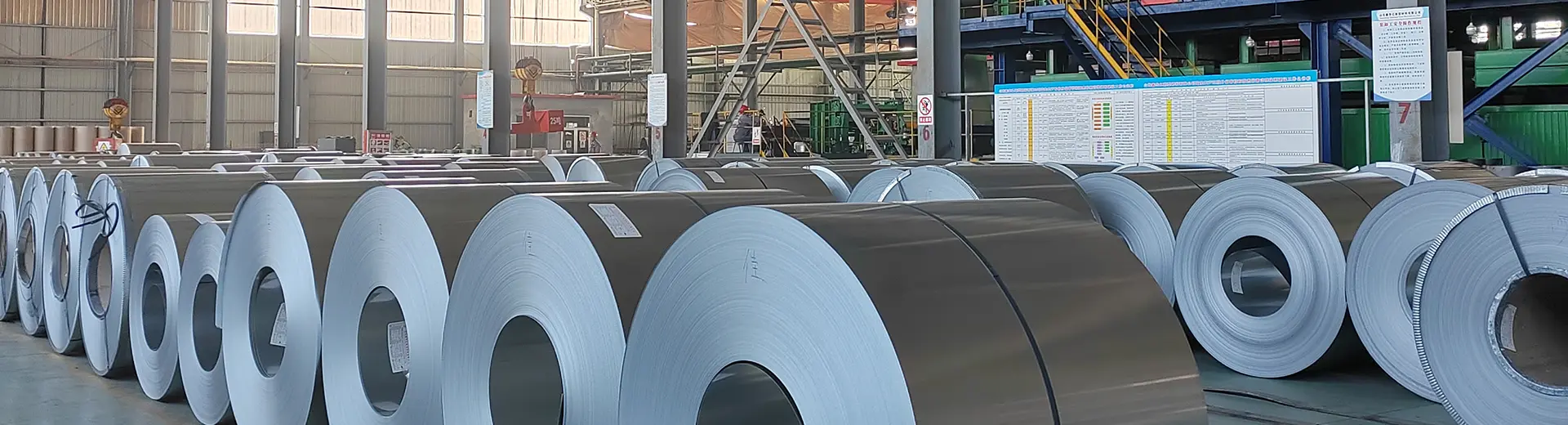
Why Hastelloy C-276 is the Preferred Choice for Stainless Steel Coils in Industrial Applications
Why Hastelloy C-276 is the Preferred Choice for Stainless Steel Coils in Industrial Applications Introduction to Hastelloy C-276 Hastelloy C-276 is a nickel-molybdenum-chromium alloy renowned for its exceptional resistance to a wide range of corrosive environments. This unique combination of elements provides the alloy with impressive mechanical properties and makes it ideal for various industrial
Why Hastelloy C-276 is the Preferred Choice for Stainless Steel Coils in Industrial Applications
Introduction to Hastelloy C-276
Hastelloy C-276 is a nickel-molybdenum-chromium alloy renowned for its exceptional resistance to a wide range of corrosive environments. This unique combination of elements provides the alloy with impressive mechanical properties and makes it ideal for various industrial applications. In industries where durability and resistance to extreme conditions are paramount, Hastelloy C-276 stands out as the **go-to choice for stainless steel coils**.
The Composition of Hastelloy C-276
Understanding the composition of Hastelloy C-276 is crucial to appreciating its advantages. The primary elements in this alloy include:
- **Nickel (Ni)**: Contributes to the alloy’s overall strength and resistance to oxidation.
- **Molybdenum (Mo)**: Enhances the corrosion resistance, especially against pitting and crevice corrosion.
- **Chromium (Cr)**: Offers additional resistance to oxidation and improves overall durability.
- **Tungsten (W)**: Further increases corrosion resistance and enhances mechanical properties.
The carefully balanced proportions of these elements result in a material capable of performing in highly corrosive environments, which is essential for applications in industries such as chemical processing, oil and gas, and power generation.
Key Properties of Hastelloy C-276
Corrosion Resistance
One of the standout features of Hastelloy C-276 is its **superior corrosion resistance**. This alloy can withstand aggressive media, including strong acids, alkalis, and chlorides. It is especially effective against:
- **Sulfuric Acid**: Maintains integrity even in highly concentrated forms.
- **Hydrochloric Acid**: Resists pitting and stress corrosion cracking.
- **Chlorine Solutions**: Performs well in environments where chlorine is present.
These properties make Hastelloy C-276 a reliable choice for applications where other materials would fail.
Mechanical Strength
Hastelloy C-276 exhibits excellent mechanical strength at both room and elevated temperatures. This strength is crucial for components that must endure high stress and pressure without compromising their structural integrity. The alloy's toughness allows it to withstand harsh mechanical forces, making it suitable for demanding environments.
Fabricability
Despite its robust characteristics, Hastelloy C-276 is relatively easy to fabricate. It can be formed, welded, and machined without significant difficulty. This workability is vital for manufacturers who need to create intricate shapes and components from the alloy for specific applications.
Applications of Hastelloy C-276 in Stainless Steel Coils
Hastelloy C-276’s properties lend themselves to a wide variety of applications, highlighting its versatility. Some common uses include:
Chemical Processing
In the chemical processing industry, Hastelloy C-276 is widely used for piping, valves, and reactor vessels. Its resistance to corrosion ensures safe and efficient operation in the most hostile chemical environments.
Oil and Gas Industry
The oil and gas sector often encounters extreme temperatures and pressures, requiring materials that can withstand such conditions. Hastelloy C-276 is utilized in downhole oil production and offshore drilling facilities due to its durability and resistance to sour gas attacks.
Power Generation
In power plants, particularly those utilizing nuclear energy, Hastelloy C-276 is employed in various components, including heat exchangers and steam generators. Its resilience in high-temperature and high-pressure applications ensures long service life and reliability.
Advantages of Using Hastelloy C-276 Coils
Longevity and Cost-Effectiveness
Investing in Hastelloy C-276 coils can result in significant cost savings over time. The alloy's durability and resistance to wear and corrosion extend the lifespan of components, reducing the need for frequent replacements and maintenance.
Safety Enhancements
Using Hastelloy C-276 increases safety in industrial applications. Its resistance to failures caused by corrosion or mechanical stress reduces the risk of leaks or catastrophic failures, safeguarding personnel and equipment.
Environmental Considerations
In today's eco-conscious world, materials that minimize environmental impact are increasingly important. Hastelloy C-276 is preferred in industries that prioritize sustainability due to its longevity and reduced need for replacement, effectively lowering waste.
Comparative Analysis: Hastelloy C-276 vs. Other Alloys
When evaluating materials for stainless steel coils, it’s essential to consider how Hastelloy C-276 stacks up against other alloys, such as 316 stainless steel and Inconel.
Hastelloy C-276 vs. 316 Stainless Steel
While 316 stainless steel is known for its corrosion resistance, it falls short in environments with higher acidity or chloride exposure. Hastelloy C-276 outperforms 316 in such conditions, making it a superior choice for demanding applications.
Hastelloy C-276 vs. Inconel
Inconel is another high-performance alloy, but its properties vary depending on the specific grade. Hastelloy C-276 generally offers better corrosion resistance in harsh chemical environments, making it a preferred choice in many scenarios.
FAQs About Hastelloy C-276
1. What industries commonly use Hastelloy C-276 coils?
Hastelloy C-276 coils are commonly used in chemical processing, oil and gas, power generation, and wastewater treatment industries.
2. How does Hastelloy C-276 compare in terms of cost?
While Hastelloy C-276 may have a higher initial cost compared to standard stainless steels, its longevity and reduced maintenance costs provide significant savings over time.
3. Can Hastelloy C-276 be welded?
Yes, Hastelloy C-276 can be welded using various methods, including TIG and MIG welding. Proper techniques must be followed to maintain its integrity.
4. What is the temperature limit for Hastelloy C-276?
Hastelloy C-276 maintains excellent properties up to approximately 2000°F (1093°C), making it suitable for high-temperature applications.
5. Is Hastelloy C-276 resistant to stress corrosion cracking?
Yes, Hastelloy C-276 exhibits excellent resistance to stress corrosion cracking, particularly in chloride environments.
Conclusion
In summary, Hastelloy C-276’s **unmatched corrosion resistance**, **mechanical strength**, and **fabricability** solidify its position as the leading choice for stainless steel coils across numerous industries. Whether in chemical processing, oil and gas, or power generation, this alloy delivers exceptional performance, safety, and cost-effectiveness. By choosing Hastelloy C-276, industries can ensure the longevity of their components, contributing to operational efficiency and sustainability. The decision to utilize this alloy reflects a commitment to quality and reliability in challenging environments, making it an indispensable material in modern industrial applications.
MORE NEWS
Understanding A214 Carbon Steel Round Bar: Properties and Applications
A214 carbon steel round bars are essential materials in various industrial applications, particularly in the metallurgy and energy sectors. Known for their exceptional strength and durability, these bars are widely used in construction, manufacturing, and other engineering applications. Understanding the properties and benefits of A214 carbon steel round bars can help businesses make informed deci
2026-08-27
Maximizing Strength and Flexibility with ST12 Cold Rolled Steel Sheets: A Comprehensive Guide
Maximizing Strength and Flexibility with ST12 Cold Rolled Steel Sheets Table of Contents Introduction to ST12 Cold Rolled Steel Sheets What is ST12 Cold Rolled Steel? Benefits of Using ST12 Steel Sheets Applications of ST12 Cold Rolled Steel Sheets Mechanical Properties of ST12 Steel Sheets Manufacturing Process of ST12 Cold Rolled Steel Maintenance and Care for ST12 S
2026-08-20
Understanding NM400 Carbon Steel Plate: Characteristics and Applications
NM400 carbon steel plate is increasingly recognized for its exceptional properties, making it an ideal choice for various applications in the construction and decoration materials sector. Known for its high wear resistance and toughness, NM400 is often employed in situations where durability and strength are paramount. The "NM" in NM400 stands for "Normalized Mild Steel," while the "400" indicate
2026-08-13
Hastelloy C-276: Revolutionizing the Energy Sector with Superior Corrosion Resistance
Hastelloy C-276 and Its Impact on the Energy Sector Introduction to Hastelloy C-276 Hastelloy C-276 is a **nickel-based alloy** renowned for its exceptional resistance to **corrosion** and **oxidation**. Originally designed to withstand harsh environments, Hastelloy C-276 has gained immense popularity across various industries, particularly in the energy sector. It is engineered to perform in extr
2026-08-06
Understanding DC01 Carbon Steel Coil: Characteristics and Applications
The DC01 carbon steel coil is a popular choice in the metallurgy sector, specifically due to its excellent formability and weldability. This low-carbon steel is characterized by its good mechanical properties, which make it suitable for a wide range of applications without compromising strength. It is primarily produced through cold rolling processes, resulting in a smooth surface finish that is o
2026-07-30
SPHC Carbon Steel Coil: Cost-Effective Solutions for Construction Projects
SPHC Carbon Steel Coil: Cost-Effective Solutions for Construction Projects Table of Contents Introduction to SPHC Carbon Steel Coils What is SPHC Steel? Advantages of SPHC Carbon Steel Coils Cost-Effectiveness Durability and Strength Versatility in Applications Applications of SPHC Steel Coils in Construction Structural Use
2026-07-23
LEAVE A MESSAGE
If you are interested in our products, please leave a message.
OUR PRODUCTS
Keep up to date with our latest products


Wechat:
+86-18354346222
(Mr.Wang)
Wechat:
+86-18954325992
(Mr.Wang)
Wechat:
+86-13954316858
(Mr.Wang)
SAF Coolest v1.3.1.2 设置面板 REMSX-AONU-XSASE-SVQ
无数据提示
Sorry, the current section is being updated, stay tuned!
You can view other columns or return to the HOME