Welcome to Our website!

 Esperanto
 Shqiptare
 Euskara
 Zulu
Zulu
 Latinus
 Cymraeg
 தமிழ்
தமிழ்
 Slovak
 Slovak
 Afrikaans
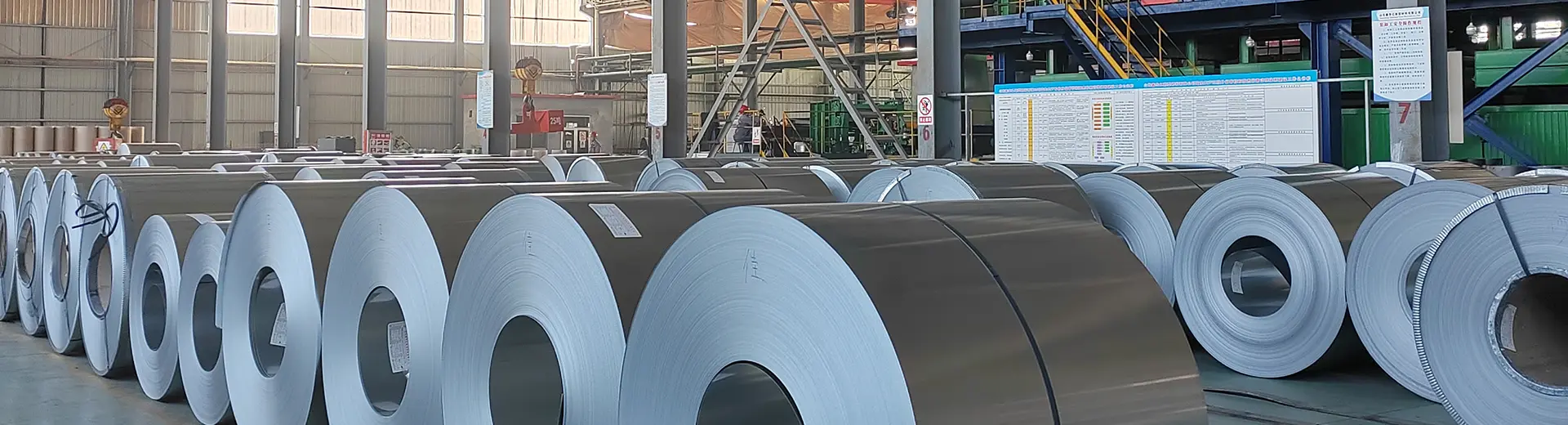
Understanding A214 Carbon Steel Round Bar: Properties and Applications
A214 carbon steel round bar is a versatile material that plays a crucial role in various industrial applications, particularly in metallurgy and energy sectors. Understanding the properties and potential uses of A214 carbon steel round bar can help professionals make informed decisions regarding material selection for projects ranging from construction to manufacturing. Carbon steel, by definition
A214 carbon steel round bar is a versatile material that plays a crucial role in various industrial applications, particularly in metallurgy and energy sectors. Understanding the properties and potential uses of A214 carbon steel round bar can help professionals make informed decisions regarding material selection for projects ranging from construction to manufacturing.
Carbon steel, by definition, is an iron-carbon alloy where the carbon content typically ranges from 0.05% to 2.0%. A214 carbon steel falls within the low to medium carbon steel category, offering a balance between ductility and strength. This combination makes it an ideal choice for applications requiring high strength and durability without sacrificing malleability.
One of the most significant properties of A214 carbon steel round bar is its excellent machinability. This means it can be easily shaped and formed into a variety of components, allowing for efficient manufacturing processes. Additionally, the alloy exhibits good weldability, making it suitable for applications that require the joining of different materials or components.
In terms of mechanical properties, A214 carbon steel round bar typically exhibits a tensile strength that can range between 450 to 600 MPa, depending on the specific treatment and processing it undergoes. This strength makes it a reliable choice for constructing structural components, tools, and various machine parts that demand resilience under stress.
Another vital aspect to consider is the corrosion resistance of A214 carbon steel round bar. Unlike stainless steel, which contains significant chromium content for corrosion resistance, carbon steel is more susceptible to oxidation and rust when exposed to moisture. Therefore, when used in applications where exposure to harsh environments is a concern, it is essential to apply protective coatings or galvanization techniques to enhance its longevity.
A214 carbon steel round bar finds its applications in a range of industries. In the energy sector, it is often utilized in the production of components for power generation and transmission. Its strength and durability make it suitable for structural applications, including bridges and buildings. Additionally, A214 carbon steel is often used in the manufacturing of automotive parts, where precise machining and durability are critical.
In conclusion, A214 carbon steel round bar is a robust material that offers a balance of strength, machinability, and ductility, making it suitable for various industrial applications. Understanding its properties and applications can help businesses choose the right materials for their projects, ultimately contributing to efficiency and productivity in their operations.
MORE NEWS
Understanding A214 Carbon Steel Round Bar: Properties and Applications
A214 carbon steel round bars are essential materials in various industrial applications, particularly in the metallurgy and energy sectors. Known for their exceptional strength and durability, these bars are widely used in construction, manufacturing, and other engineering applications. Understanding the properties and benefits of A214 carbon steel round bars can help businesses make informed deci
2026-08-27
Maximizing Strength and Flexibility with ST12 Cold Rolled Steel Sheets: A Comprehensive Guide
Maximizing Strength and Flexibility with ST12 Cold Rolled Steel Sheets Table of Contents Introduction to ST12 Cold Rolled Steel Sheets What is ST12 Cold Rolled Steel? Benefits of Using ST12 Steel Sheets Applications of ST12 Cold Rolled Steel Sheets Mechanical Properties of ST12 Steel Sheets Manufacturing Process of ST12 Cold Rolled Steel Maintenance and Care for ST12 S
2026-08-20
Understanding NM400 Carbon Steel Plate: Characteristics and Applications
NM400 carbon steel plate is increasingly recognized for its exceptional properties, making it an ideal choice for various applications in the construction and decoration materials sector. Known for its high wear resistance and toughness, NM400 is often employed in situations where durability and strength are paramount. The "NM" in NM400 stands for "Normalized Mild Steel," while the "400" indicate
2026-08-13
Hastelloy C-276: Revolutionizing the Energy Sector with Superior Corrosion Resistance
Hastelloy C-276 and Its Impact on the Energy Sector Introduction to Hastelloy C-276 Hastelloy C-276 is a **nickel-based alloy** renowned for its exceptional resistance to **corrosion** and **oxidation**. Originally designed to withstand harsh environments, Hastelloy C-276 has gained immense popularity across various industries, particularly in the energy sector. It is engineered to perform in extr
2026-08-06
Understanding DC01 Carbon Steel Coil: Characteristics and Applications
The DC01 carbon steel coil is a popular choice in the metallurgy sector, specifically due to its excellent formability and weldability. This low-carbon steel is characterized by its good mechanical properties, which make it suitable for a wide range of applications without compromising strength. It is primarily produced through cold rolling processes, resulting in a smooth surface finish that is o
2026-07-30
SPHC Carbon Steel Coil: Cost-Effective Solutions for Construction Projects
SPHC Carbon Steel Coil: Cost-Effective Solutions for Construction Projects Table of Contents Introduction to SPHC Carbon Steel Coils What is SPHC Steel? Advantages of SPHC Carbon Steel Coils Cost-Effectiveness Durability and Strength Versatility in Applications Applications of SPHC Steel Coils in Construction Structural Use
2026-07-23
LEAVE A MESSAGE
If you are interested in our products, please leave a message.
OUR PRODUCTS
Keep up to date with our latest products


Wechat:
+86-18354346222
(Mr.Wang)
Wechat:
+86-18954325992
(Mr.Wang)
Wechat:
+86-13954316858
(Mr.Wang)
SAF Coolest v1.3.1.2 设置面板 REMSX-AONU-XSASE-SVQ
无数据提示
Sorry, the current section is being updated, stay tuned!
You can view other columns or return to the HOME